
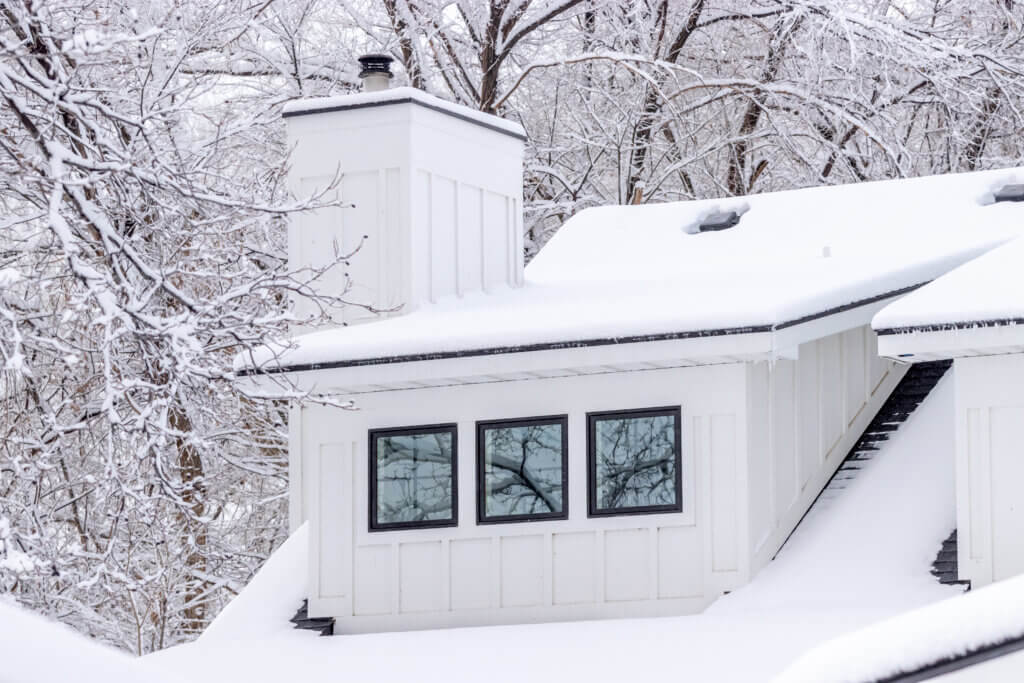
When winter approaches, many homeowners start thinking about ways to protect their homes from harsh weather conditions. But, can you install siding in the winter? While winter is not usually considered an ideal time for home improvement, there are actually several advantages to winter siding installation. However, it’s important to understand the potential impact of winter weather on your siding and know what to expect during a cold-season project.
In this article, we’ll explore why winter can affect siding materials, whether it’s okay to install siding during colder months, and what happens if you decide to wait until after winter.
How Can Winter Damage Your Siding?
Winter weather can take a real toll on your home’s exterior, and siding is no exception. The combination of freezing temperatures, moisture, and wind can lead to various issues, especially if your current siding is older or already compromised. Understanding how winter affects siding can help you decide if it’s better to replace it now or wait.
One major way winter damages siding is through temperature fluctuations. When temperatures drop sharply, certain materials, like vinyl, can contract, potentially leading to cracks or warping over time. Additionally, moisture from snow and ice can seep into these cracks, making small issues worse when the water freezes, expands, and puts more pressure on the siding.
Winter conditions can also impact the paint and finish on wood or fiber cement siding. Prolonged exposure to cold, wet weather can cause fading, peeling, or even rotting in wood materials, compromising the protective layer meant to shield your home. Finally, strong winter winds may loosen or dislodge siding pieces, making your home more vulnerable to drafts and increasing energy costs.
Can You Install Siding in the Winter?
The short answer is yes, you can install siding in the winter. However, several factors must be considered to ensure a successful installation. The key is to work with professionals who understand how to handle the challenges posed by cold weather.
First and foremost, many siding materials are designed to withstand lower temperatures. For example, vinyl siding can be installed even in freezing conditions, provided that the installation team takes precautions. So, can you install siding in the winter? Absolutely! But it’s crucial to use the right techniques and tools tailored for the job.
One factor to keep in mind is the adhesive used during installation. Some adhesives and sealants may not perform well in low temperatures, which can lead to improper sealing and potential moisture issues down the line. Professional installers will know which products to use to ensure a strong bond, even in winter conditions.
Another consideration is the availability of materials. Siding suppliers often have reduced stock during the winter months, so it’s important to plan ahead. Ordering materials in advance can help avoid delays and ensure you have everything needed for your project.
What Happens if You Wait Until After Winter for Siding Installation?
If you choose to wait until after winter to install new siding, you might face a few issues. First, the longer you postpone the installation, the greater the chance of further damage to your existing siding. This could lead to more extensive repairs, increased costs, and potential risks to your home’s insulation and structural integrity.
Additionally, you might find yourself dealing with a backlog of projects once the weather warms up. Spring is a popular time for home improvements, and many contractors become booked quickly. Waiting until then could mean a longer wait for your installation, leaving your home vulnerable to the elements.
Challenges of Winter Siding Installation and How Professionals Handle Them
While installing siding in winter is certainly possible, there are unique challenges that come with the cold season. A professional team in the siding industry are well-equipped to handle these hurdles, ensuring that your installation goes smoothly and effectively.
One of the primary challenges is temperature sensitivity. Many siding materials, particularly vinyl, can become brittle in extremely low temperatures. Professionals are trained to handle materials carefully to prevent damage during installation. They often monitor the temperature and choose the best times during the day for installation when conditions are slightly warmer.
Moisture management is another significant concern. Snow, ice, and rain can all impact the installation process. Professionals will take precautions, such as ensuring the work area is clear of moisture before beginning the installation. They may also use specialized tools that allow for quick and efficient work, minimizing the time materials are exposed to the elements.
Moreover, installation professionals understand the importance of proper sealing and insulation. They know which adhesives and sealants work best in cold conditions to ensure a tight fit that prevents air and water leaks. This expertise not only protects your new siding but also contributes to your home’s overall energy efficiency.
Lastly, scheduling and planning play a crucial role in winter installations. A professional will often have a plan in place to address unexpected weather changes, allowing them to adapt quickly and efficiently.
At JL Roofing & Siding, we are committed to providing quality siding installation year-round, including during the winter months. Our experienced team understands how to navigate the challenges of winter installations, ensuring your home remains protected and beautiful no matter the season.
If you’re considering new siding for your home, don’t hesitate to reach out! Contact us today to discuss your project and achieve a successful installation that protects your home from winter weather and enhances its curb appeal.