
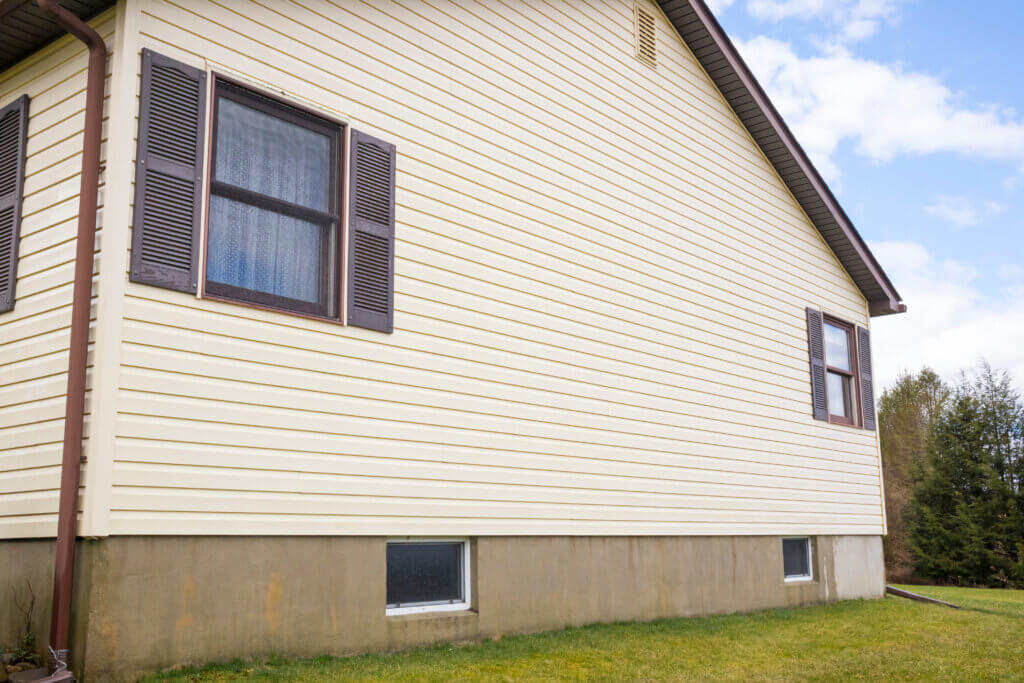
Welcome to our comprehensive guide on how to fix warped vinyl siding. If you’ve noticed your siding starting to buckle, bend, or warp, you’re not alone. Vinyl siding, while durable and low-maintenance, can still fall victim to the elements over time.
In this article, we’ll delve into the causes of vinyl siding warping, practical solutions for fixing it, and preventive measures to keep your siding in top shape for years to come. Whether you’re a seasoned DIY enthusiast or a homeowner seeking professional assistance, we’ve got you covered with actionable advice and insights.
What Causes Vinyl Siding to Warp
One of the primary culprits behind warped vinyl siding is exposure to extreme temperatures. When vinyl siding is subjected to prolonged periods of heat or cold, it can expand and contract, leading to warping and distortion. This expansion and contraction cycle is exacerbated by fluctuations in temperature, which are common in regions with harsh climates.
Another common cause of vinyl siding warping is improper installation. If the siding is not installed correctly, it may not be able to accommodate natural movement caused by temperature changes, resulting in buckling and warping over time.
Additionally, exposure to moisture can also contribute to vinyl siding warping. When water penetrates the siding, it can cause the material to swell and deform, leading to unsightly bulges and bends.
How to Fix Warped Vinyl Siding
Now that we’ve identified the common causes of warped vinyl siding, let’s explore how to fix warped vinyl siding effectively. Fortunately, addressing this issue is possible through various methods, ranging from simple DIY repairs to more extensive professional solutions.
- Heat Gun Method: One effective DIY approach for fixing warped vinyl siding is using a heat gun. By carefully heating the warped area, you can soften the vinyl and reshape it back to its original form. However, it’s crucial to exercise caution and avoid overheating the siding, as this can cause further damage.
- Replacement Panels: In cases where the warping is severe or widespread, replacing the affected siding panels may be necessary. This involves carefully removing the damaged panels and installing new ones in their place. Professional siding contractors, like those at JL Roofing & Siding, can ensure a seamless replacement process, restoring the appearance and functionality of your siding.
- Adjustment and Realignment: Sometimes, warped siding can be corrected by adjusting and realigning the panels. This may involve loosening the siding panels, realigning them to eliminate buckling or bending, and securing them back in place. Again, it’s essential to be careful to avoid causing further damage during this process.
- Moisture Management: Addressing underlying moisture issues is crucial for preventing future instances of vinyl siding warping. Ensure that your siding is properly sealed and waterproofed to prevent water infiltration, and address any drainage or ventilation issues around your home’s exterior.
How to Prevent Vinyl Siding from Warping
While knowing how to fix warped vinyl siding is crucial, taking preventive measures can help avoid the issue altogether. Here are some practical tips to keep your vinyl siding in top condition and prevent warping:
- Proper Installation: Ensure that your vinyl siding is installed correctly by experienced professionals. Proper installation includes allowing for adequate expansion and contraction, as well as ensuring secure attachment to prevent shifting and warping over time.
- Choose High-Quality Materials: Opt for high-quality vinyl siding materials that are designed to withstand the elements and resist warping. Investing in durable siding products can pay off in the long run by reducing the likelihood of warping and prolonging the lifespan of your siding.
- Manage Moisture: Proper moisture management is essential for preventing vinyl siding warping. Ensure that your siding is properly sealed and waterproofed to prevent water infiltration, and address any issues with drainage or ventilation around your home’s exterior.
- Regular Maintenance: Keep your vinyl siding clean and well-maintained to prevent dirt, debris, and moisture buildup, which can contribute to warping over time. Regular cleaning and inspections can help identify and address potential issues before they escalate.
- Protective Measures: Consider installing protective barriers, such as awnings or overhangs, to shield your vinyl siding from direct exposure to extreme weather conditions, such as prolonged sunlight or heavy rain. These measures can help minimize the risk of warping and prolong the lifespan of your siding.
By implementing these preventive measures, you can effectively safeguard your vinyl siding against warping and ensure that it remains in optimal condition for years to come.
Does Vinyl Siding Warp in the Sun?
Extreme heat can indeed cause vinyl siding to warp over time.
The key factor contributing to vinyl siding warping in the sun is temperature. When vinyl siding is exposed to prolonged periods of intense sunlight and high temperatures, it can expand and contract, leading to warping, buckling, or distortion.
However, it’s essential to note that not all vinyl siding products are created equal. High-quality vinyl siding is manufactured to resist warping and maintain its shape even in the harshest sunlight. Choosing premium siding materials and proper installation can significantly reduce the risk of warping due to sun exposure.
Additionally, taking preventive measures, such as installing protective barriers or using light-colored siding that reflects sunlight, can help minimize the effects of sun exposure on your vinyl siding.
How Much Does it Cost to Replace Warped Siding?
The cost of replacing warped siding can vary depending on several factors, including the extent of the damage, the type of siding material, and the size of your home.
On average, homeowners can expect to pay between $1,000 and $3,000 to replace warped vinyl siding on a typical single-story home. However, this cost can increase significantly for larger homes or if additional repairs are needed, such as addressing underlying moisture damage or replacing damaged insulation.
It’s essential to obtain quotes from reputable siding contractors to get an accurate estimate for your specific situation. Factors such as labor costs, material prices, and any additional services required will impact the overall cost of the project.
While the cost of replacing warped siding may seem daunting, it’s crucial to address the issue promptly to prevent further damage to your home’s exterior and maintain its curb appeal and value. Investing in professional siding replacement from trusted contractors like JL Roofing & Siding can ensure that the job is done correctly and that your home is protected for years to come.
Knowing how to fix warped vinyl siding is essential for homeowners looking to maintain the beauty and integrity of their homes’ exteriors. If your vinyl siding is beyond repair and requires replacement, it’s essential to consult with professional siding contractors to assess the extent of the damage and provide an accurate cost estimate. Investing in professional siding replacement from trusted contractors like JL Roofing & Siding ensures that the job is done correctly and that your home is protected for years to come.