
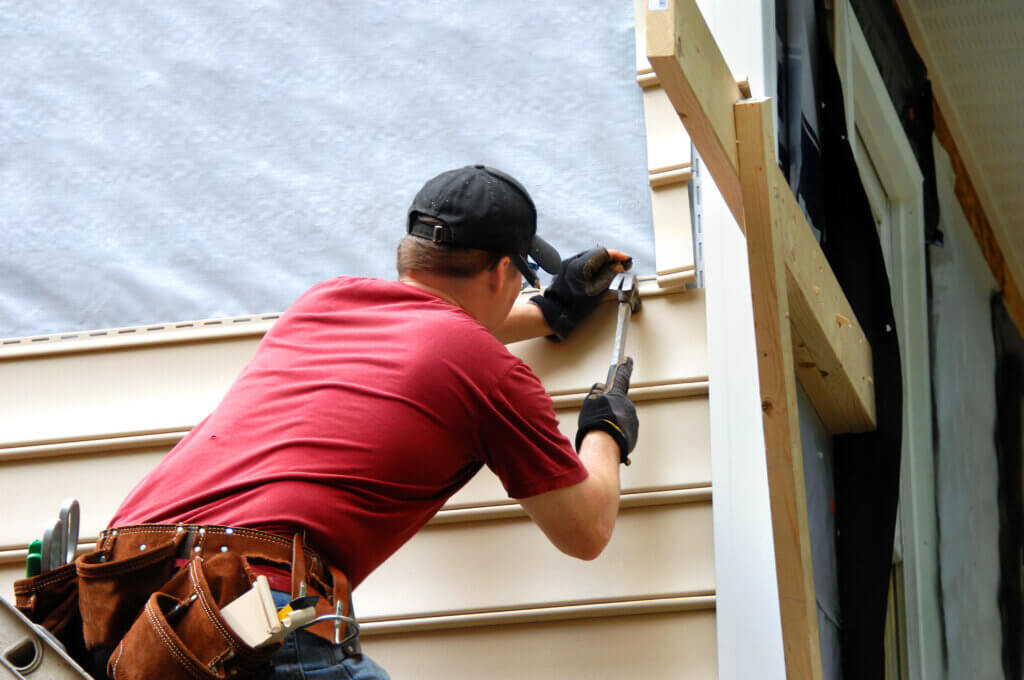
Winter can be tough on your home’s exterior, and if you’re not taking the right precautions, your siding could suffer serious damage. Freezing temperatures, snow, ice, and moisture exposure all put extra stress on your siding, leading to potential cracks, warping, or even mold growth. The good news? With the right care, you can keep your siding in top shape all season long.
In this guide, we’ll share the top 5 tips for siding maintenance during winter to help you protect your home from the harsh elements. Whether you have vinyl, wood, fiber cement, or another type of siding, these simple yet effective maintenance steps will go a long way in preventing costly repairs. Let’s dive in!
Why Is Winter Siding Maintenance Important?
Siding plays a crucial role in protecting your home from the elements, acting as a barrier against snow, ice, wind, and freezing temperatures. However, winter weather can take a serious toll on your siding, leading to damage that may go unnoticed until it becomes a costly issue.
Here are a few key reasons why winter siding maintenance is essential:
- Prevents Moisture Damage – Snow and ice can melt and seep into cracks or gaps in your siding, leading to mold, rot, and structural issues.
- Increases Longevity – Proper care helps extend the lifespan of your siding, reducing the need for premature replacements.
- Improves Energy Efficiency – Well-maintained siding helps insulate your home, keeping warm air inside and cold air out, which can lower energy bills.
- Avoids Costly Repairs – Catching minor issues early can prevent major problems, saving you money in the long run.
- Enhances Curb Appeal – Clean, well-kept siding keeps your home looking great even in the harshest winter conditions.
By following our top 5 tips for siding maintenance during winter, you can keep your home in excellent condition throughout the season. Let’s get into the details!
Top 5 Tips for Winter Siding Maintenance
1. Inspect for Damage Before the First Snowfall
Before winter sets in, take the time to carefully inspect your siding for any signs of damage. Look for cracks, warping, loose panels, or any areas where moisture may be getting in. Even small issues can worsen when exposed to freezing temperatures and heavy snowfall.
What to Do:
✔ Walk around your home and visually inspect all siding panels.
✔ Check for gaps, cracks, or loose sections that could allow moisture inside.
✔ If you spot damage, address it immediately—either with a DIY repair or by calling a professional siding contractor like JL Roofing & Siding.
Catching these problems early will help you avoid more extensive repairs once the cold weather sets in.
2. Keep Your Siding Clean and Free from Debris
Snow and ice aren’t the only winter hazards for your siding—leaves, dirt, and other debris can build up and cause staining or moisture retention. Regular cleaning helps prevent mold and mildew from forming, keeping your siding in top shape.
How to Keep Your Siding Clean:
✔ Use a soft brush or cloth to wipe away dirt and grime.
✔ If necessary, use a garden hose to rinse off debris (but avoid pressure washing in cold weather, as it can force water behind the siding).
✔ Trim nearby trees and bushes to prevent leaves and twigs from collecting against your siding.
A clean exterior not only looks better but also reduces the risk of long-term damage caused by trapped moisture.
3. Watch for Ice and Snow Buildup
Heavy snowfall and ice accumulation can be harmful to your siding. If snow piles up against your home, it can trap moisture against the panels, leading to rot, mold, or even structural damage.
How to Prevent Issues:
✔ Regularly clear snow from the base of your siding using a shovel or broom.
✔ Watch for ice dams forming on your roof, as melting ice can drip onto your siding and refreeze.
✔ Make sure gutters and downspouts are functioning properly to direct water away from your home.
Being proactive about snow and ice removal will go a long way in protecting your siding during winter.
4. Seal Any Gaps or Cracks
Gaps in your siding allow cold air and moisture to enter your home, leading to higher energy bills and potential damage. Sealing these gaps before winter arrives will help improve insulation and prevent costly repairs.
What to Do:
✔ Use weather-resistant caulk to seal small cracks or gaps.
✔ If the damage is more extensive, consider hiring a professional to repair or replace the affected area.
✔ Check around windows, doors, and other openings where siding meets trim to ensure there are no gaps letting cold air in.
A well-sealed exterior helps keep your home warm and protected from winter’s harsh conditions.
5. Check for Signs of Moisture Damage
Moisture is one of the biggest threats to siding, especially in winter when melting snow and ice can seep into small openings. Left unchecked, moisture damage can lead to rot, mold, or structural issues.
Signs to Watch For:
✔ Warped or swollen siding panels
✔ Peeling paint or bubbling on the surface
✔ Mold or mildew growth
✔ A musty odor near the affected area
If you notice any of these signs, it’s important to address the issue right away. Call a trusted contractor like JL Roofing & Siding to assess the damage and provide expert repairs.
Taking care of your siding during winter is essential for protecting your home from the elements. By following these top 5 tips for siding maintenance during winter, you can prevent damage, extend the life of your siding, and keep your home looking great all season long.
If you need professional help with siding maintenance, repairs, or a full replacement, JL Roofing & Siding is here for you! Our team of experts specializes in high-quality siding solutions to keep your home safe and energy-efficient all year round.
Contact us today to schedule an inspection and ensure your siding is winter-ready!