
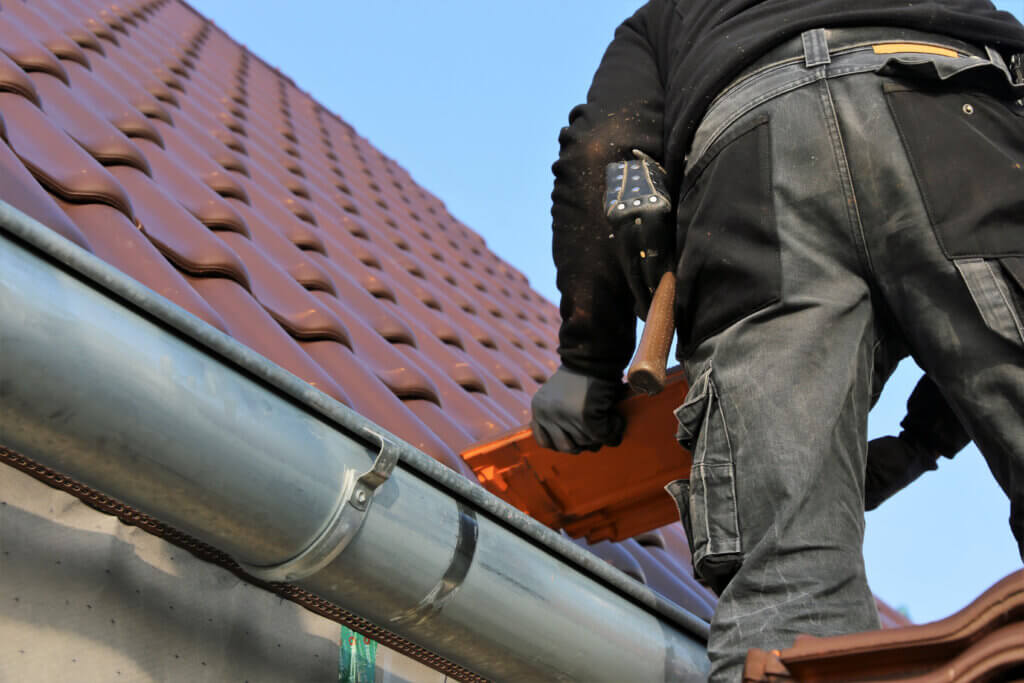
Spring is the perfect time to refresh and repair your home after the harsh winter months, and your roof should be at the top of your maintenance checklist. Snow, ice, and heavy winds can take a toll on your roofing system, potentially leading to leaks, damaged shingles, and other costly issues. By following these 10 roof maintenance tips for spring, you can ensure your home stays protected throughout the year.
Regular roof maintenance not only helps prevent expensive repairs but also extends the lifespan of your roof. Whether you’re a homeowner looking to do a quick inspection or you’re considering hiring a professional, this guide will walk you through the essential steps to keep your roof in top shape.
Why Is It Important to Follow Roof Maintenance Tips for Spring?
Winter can be tough on your roof, leaving behind hidden damage that could lead to costly repairs if ignored. Spring is the perfect time to inspect and maintain your roof before seasonal rains and storms cause further issues.
Regular roof maintenance helps prevent leaks, improves energy efficiency, and extends your roof’s lifespan. Catching small problems early—like loose shingles or clogged gutters—can save you from expensive repairs down the road. By following these 10 roof maintenance tips for spring, you’ll keep your home protected and in top shape for the rest of the year.
10 Roof Maintenance Tips for Spring
Proper roof maintenance in the spring can prevent costly repairs and extend the life of your roof. Here are 10 roof maintenance tips for spring to help you get started:
1. Inspect for Damage
Start by visually inspecting your roof from the ground or using a pair of binoculars. Look for missing or curled shingles, cracked flashing, or any sagging areas. If you notice anything unusual, it’s best to address it right away to prevent further damage.
2. Clean Your Gutters
Winter storms can leave debris in your gutters, leading to blockages that cause water to overflow onto your roof. Clogged gutters can also contribute to water damage and ice dams. Cleaning them out in early spring ensures proper drainage and protects your home from leaks.
3. Assess Your Shingles
Shingles play a crucial role in protecting your home from the elements. Check for any missing, cracked, or buckling shingles that may have been damaged over the winter. Damaged shingles can allow water to seep into your home, leading to costly repairs.
4. Check Your Attic
Your attic can reveal early signs of roof damage. Look for water stains, mold growth, or signs of pests. Poor ventilation can also contribute to moisture buildup, which may lead to further roofing issues. If you notice any of these problems, it’s time to take action.
5. Check for Damaged Flashing
Flashing is the metal material used around chimneys, vents, and skylights to prevent water from seeping into your home. Over time, flashing can crack or become loose, leading to leaks. Make sure all flashing is secure and in good condition.
6. Trim Overhanging Branches
Trees growing too close to your roof can be a hazard, especially during storms. Overhanging branches can scrape against shingles, causing them to wear down faster. Trim any branches that pose a risk to prevent damage and keep your roof in better shape.
7. Remove Moss and Algae Growth
Moss and algae can trap moisture, leading to roof deterioration over time. If you notice green or dark patches on your shingles, use a roof-safe cleaner to remove the buildup. Keeping your roof free of moss can help prevent premature aging and leaks.
8. Look for Signs of Animal Activity
Birds, squirrels, and other small animals may try to nest in your roof or attic. Look for holes, droppings, or nesting materials near vents or along the roofline. If you suspect an infestation, take action quickly to prevent structural damage.
9. Ensure Proper Ventilation
Poor roof ventilation can cause moisture buildup in your attic, leading to mold growth and weakened insulation. Check that your roof vents are free of debris and working efficiently to maintain proper airflow and energy efficiency.
10. Call a Professional
While some maintenance tasks can be done yourself, hiring a professional roofing contractor for a thorough inspection ensures nothing is overlooked. A trained expert can spot potential issues early and recommend necessary repairs to keep your roof in top shape.
Professional Roof Inspection
While DIY maintenance is helpful, a professional roof inspection is the best way to ensure your roof is in excellent condition after winter. Roofing experts have the experience to spot hidden issues, such as structural damage, leaks, or deteriorating shingles that may not be visible from the ground.
A professional inspection typically includes:
- A thorough check of shingles, flashing, and gutters
- Identifying potential leaks or weak spots
- Evaluating attic ventilation and insulation
- Recommendations for necessary repairs or maintenance
Scheduling an annual spring inspection can help prevent costly repairs and extend the lifespan of your roof. If you’re unsure about the condition of your roof or notice signs of damage, it’s best to call a professional for an expert evaluation.
Taking the time to follow these 10 roof maintenance tips for spring can save you from expensive repairs and ensure your home stays protected year-round. Regular inspections, cleaning, and minor repairs can go a long way in extending the life of your roof.
If you need a professional inspection or repairs, JL Roofing & Siding is here to help. Our team of experienced roofers provides expert services to keep your roof in top shape. Contact us today for a free consultation and let us take care of your roofing needs!