
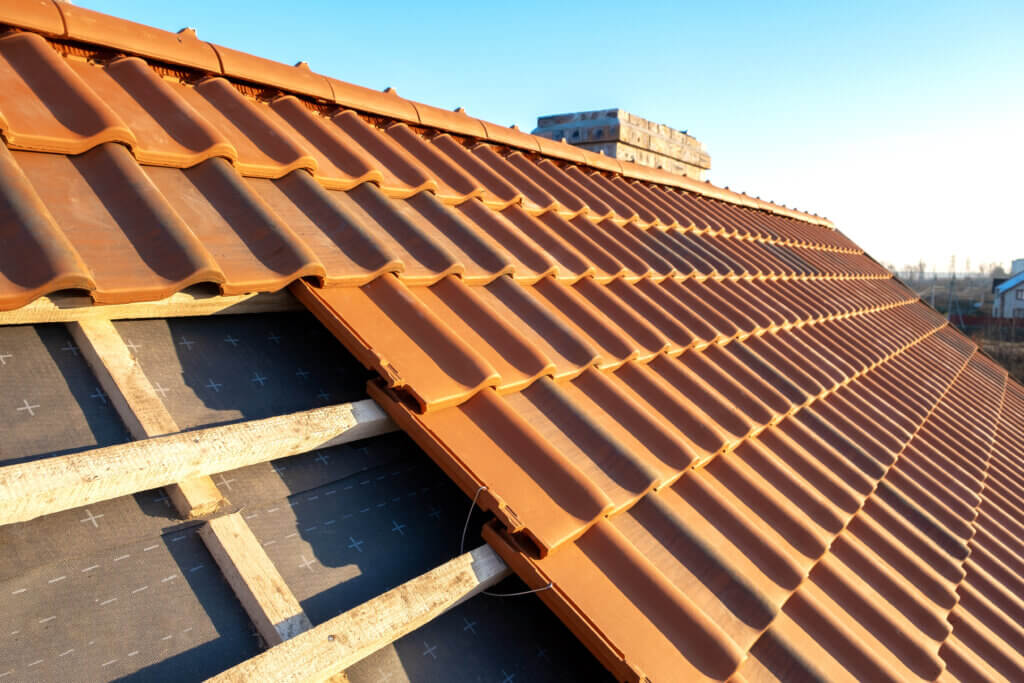
Experiencing a leaking roof can be particularly stressful for homeowners. It’s not just about the immediate inconvenience; water damage can lead to more significant structural issues if not addressed promptly. That is why understanding how to fix leaking roof tiles is crucial. This guide will walk you through the reasons behind roof leaks, DIY steps to address them, and when to call in professionals to ensure a long-lasting solution.
Why is My Tile Roof Leaking?
The first step in tackling roof leaks is to understand why they’re happening. Here are some common reasons why tile roofs start to leak:
- Cracked or Broken Tiles: Weather elements like wind, rain, and even prolonged exposure to the sun can damage tiles over time. A single cracked tile can allow water to seep through to the underlayment and into your home.
- Underlayment Issues: Beneath those tiles is an underlayment that acts as a secondary moisture barrier. Over time, this can wear out, particularly if the tiles above are damaged or misplaced.
- Flawed Installation: Sometimes, the issue stems from the initial installation. If tiles aren’t aligned properly or if the flashing (the material that seals and protects joints in your roof) isn’t installed correctly, water might find its way through gaps.
- Debris Build-Up: It’s common for leaves, dirt, and other debris to accumulate on roofs. When not cleaned regularly, these can block water flow, causing pooling and, eventually, leakage.
Is It Normal for Roof Tiles to Be Wet Underneath?
It’s perfectly normal to find that roof tiles are wet underneath immediately after rain or during wet weather conditions. However, they should dry out reasonably quickly. Persistent dampness, or moisture during dry periods, is not normal and usually indicates that water is penetrating the tile layer, possibly due to compromised tiles or underlayment. This is a sign that your roof may need some attention to prevent further damage.
How to Fix Leaking Roof Tiles
Repairing a leak in your roof can seem daunting, but here are steps to manage minor repairs yourself:
- Locate the source of the leak: This might be the hardest part. Look for signs of cracked or slipped tiles from the outside, or attempt to trace the path of the leak from the inside using your attic.
- Replace damaged tiles: If you’re comfortable working on your roof, you can replace cracked or broken tiles. Carefully remove the damaged tile, ensure the underlayment is intact, and replace it with a new tile.
- Apply roof sealant: For small cracks, applying a high-quality roof sealant can help prevent water from seeping through.
While these steps are great for minor issues, don’t hesitate to call in experts if you’re unsure or if the damage is extensive.
What Is the Permanent Solution for Roof Leakage?
When it comes to resolving roof leakage for good, temporary fixes like sealant or replacing a few tiles will only go so far. A permanent solution requires a comprehensive approach that addresses all potential weaknesses in your roof’s structure and design. Here are steps that lead to a lasting repair:
Comprehensive Roof Evaluation
A thorough evaluation by roofing professionals is critical. This isn’t just a surface-level inspection. Instead, experts from JL Roofing & Siding would examine every aspect of your roof, from the peak to the eaves. They use sophisticated tools to detect not only obvious cracks but also subtler signs of wear and potential leak sources that might be missed by the untrained eye. This might include checking for:
- Improperly installed flashing around chimneys, vents, and where the roof meets vertical walls.
- Worn out underlayment that might not be visible unless tiles are removed.
- Structural issues that could lead to water pooling and eventual penetration.
Underlayment Replacement
Often, the culprit behind persistent leaks is a failing underlayment—the protective layer found between the roof tiles and the roof deck. Over time, this layer can deteriorate due to exposure to moisture and extreme temperatures, losing its ability to repel water. Replacing old underlayment is a more involved process that usually requires removing a large section of tiles. This is best done by professionals who can ensure that the new underlayment is installed correctly and that the tiles are reinstalled or replaced as needed without causing further damage.
Improved Water Drainage System
Ensuring that water can flow freely off and away from your roof is essential. This includes not only the gutters and downspouts but also the design of the roof itself. Sometimes, improving drainage involves subtle changes to the roof’s structure or a more thorough cleaning and maintenance routine for the gutters. If water is allowed to stand on the roof, it will find any weakness to seep through.
Regular Maintenance and Preventive Measures
Even after these repairs and improvements, the best way to ensure a long-term solution to roof leaks is regular maintenance. This should include:
- Routine Inspections: Regular checks, especially after severe weather conditions, can help catch and address potential problems before they lead to leaks.
- Immediate Repairs: Addressing minor damages immediately prevents them from evolving into major issues.
- Ventilation Checks: Proper ventilation ensures that the attic space remains dry and helps prevent the buildup of condensation, which can weaken roofing materials over time.
Professional Installation and Quality Materials
Finally, using high-quality materials and ensuring that all roofing components are professionally installed is key. This includes tiles, flashing, underlayment, and even the fasteners used to secure everything in place. Poor material quality or incorrect installation can lead to premature failures and leaks, no matter how well other aspects of the roof are managed.
Will Roof Sealant Stop Leaks?
While roof sealants can provide a temporary barrier against water penetration, they are not a long-term solution. Sealants can degrade over time, especially under harsh weather conditions, and they might not cover all the underlying issues that cause leaks.
When to Call a Professional for Leaking Tile Roof
Here are some situations where it’s wise to contact professionals:
- Large or Multiple Leaks: If you’re dealing with extensive damage or multiple leaks, professional repairs are necessary to ensure that all problems are addressed.
- Safety Concerns: Working on a roof can be dangerous. If the slope is steep or the house is multi-storied, it’s safer to call in the experts.
- Persistent Problems: If leaks recur despite previous repairs, this could indicate a more complex issue that needs professional diagnosis and solution.
While knowing how to fix leaking roof tiles is valuable, understanding when to involve professional roofers is crucial. At JL Roofing & Siding, we are committed to ensuring your roof is in the best condition to protect your home. Don’t hesitate to reach out for an assessment or help with repairs—our expertise is your best tool against roof leaks.