
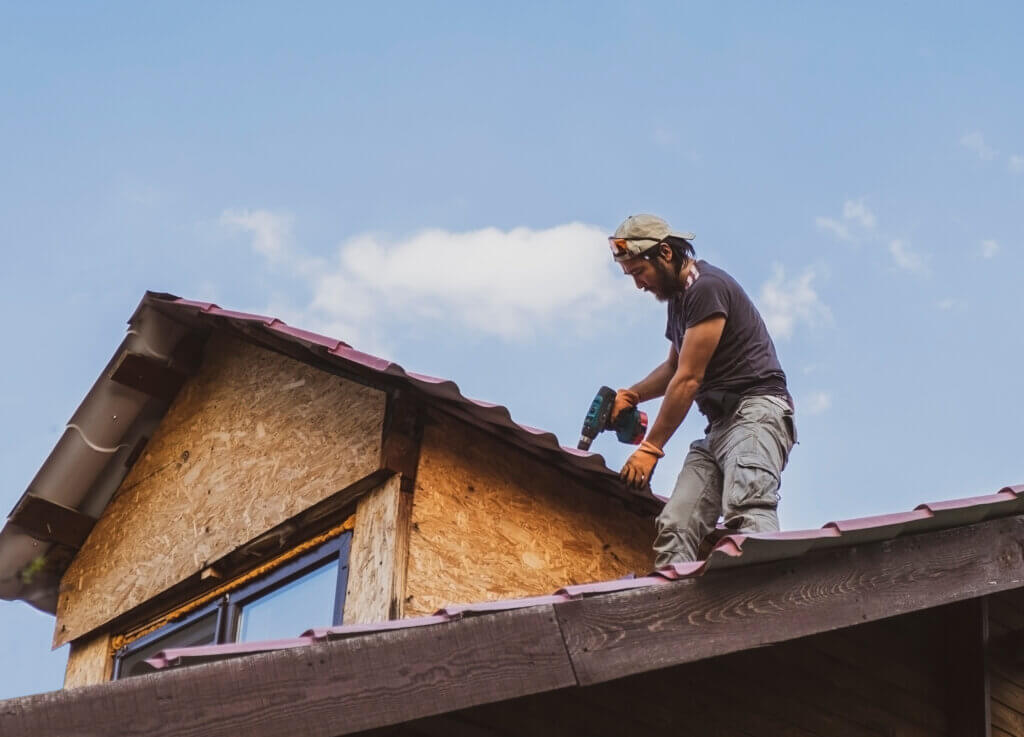
When your roof gets damaged, whether from a storm, aging shingles, or unexpected leaks, you might be tempted to grab a ladder, some tools, and try to fix it yourself. After all, DIY home repairs can save money, right? While that may be true for minor tasks like painting or fixing a leaky faucet, roof repair is a completely different story.
The truth is, attempting a DIY roof repair can lead to serious problems—not just for your roof, but for your safety, finances, and even your home insurance. In fact, many homeowners end up spending more money fixing their DIY mistakes than they would have if they had hired a professional from the start.
In this blog, we’ll break down 5 reasons why you shouldn’t do DIY roof repair and why hiring experienced roofing professionals like JL Roofing & Siding is the smarter, safer choice.
Can I Repair the Roof Myself?
Technically, yes—you can attempt to repair your roof yourself. But the real question is: Should you?
Unless you’re a trained roofing professional, the risks far outweigh the benefits. Roofing repairs require specific knowledge, skills, and equipment to be done safely and correctly. What might seem like a simple patch-up job can quickly turn into a costly disaster if not handled properly.
Even if you’re handy with tools and have watched a few online tutorials, roofing is one of the most dangerous and complex parts of home maintenance. Instead of risking injury, damaging your home, or voiding your insurance, it’s best to leave it to experienced professionals.
Now, let’s go over the 5 reasons why you shouldn’t do DIY roof repair and why trusting an expert is always the better decision.
5 Reasons Why You Shouldn’t Do DIY Roof Repair
Even if you’re confident in your DIY skills, roof repair is one task that should always be left to professionals. Here are five major reasons why attempting a DIY fix could do more harm than good.
1. Liability and Insurance – It Could Cause Your Homeowner’s Insurance to Be Voided
One of the biggest risks of DIY roofing is that it could impact your homeowner’s insurance. Most insurance policies require repairs to be done by licensed professionals to ensure the work meets industry standards. If you attempt to fix your roof yourself and something goes wrong—whether it’s further damage, leaks, or an accident—your insurance provider could deny your claim.
Even worse, if your DIY repair leads to significant property damage or injuries, you might be held financially responsible. That’s a risk not worth taking. Professional roofing contractors, like JL Roofing & Siding, are fully licensed and insured, ensuring that your repairs are done correctly and your home stays protected under your policy.
2. Risks of Falls
It might not seem like a big deal to climb up onto your roof, but roofing is one of the most dangerous jobs out there—even for trained professionals. Every year, thousands of homeowners suffer serious injuries from falls while attempting DIY roof repairs.
Here’s why roofing is so risky:
- Unstable surfaces – Roofs can be slippery, especially if there’s debris, moss, or wet conditions.
- Steep slopes – Many roofs have steep pitches that make balance difficult.
- Lack of proper safety equipment – Professional roofers use harnesses, roof brackets, and other gear to prevent falls, while most homeowners don’t have access to these tools.
Even a small fall can result in serious injuries, making DIY roof repair not worth the risk. Instead of putting yourself in danger, hire professionals who have the right training and safety measures in place.
3. You Could Do More Damage to Your Roof
Many homeowners assume that fixing a roof is as simple as replacing a few shingles, but roofing systems are much more complex than they appear. A small mistake—like using the wrong materials, overdriving nails, or sealing something incorrectly—can cause more damage than the initial problem.
Some common DIY roofing mistakes include:
- Tearing off too many shingles, exposing the underlayment to moisture
- Using incorrect materials that don’t match or function properly
- Failing to spot underlying damage like mold, rot, or water penetration
- Improperly sealing flashings, leading to leaks down the road
What starts as a simple repair could turn into a much bigger issue that costs thousands to fix. Professional roofers have the training and experience to spot potential problems and make repairs the right way the first time.
4. Lack of Expertise
A properly repaired roof does more than just look good—it protects your home from rain, wind, and other elements. Without proper training and experience, it’s easy to overlook crucial steps in the repair process, leading to:
- Leaks that worsen over time
- Poor ventilation, which can increase energy costs
- Weak spots that compromise your roof’s durability
A professional roofer doesn’t just fix the visible damage—they inspect the entire roofing system, ensuring that all layers are intact and functioning properly. That level of expertise is impossible to achieve through DIY repairs, which is why leaving it to the pros is always the best choice.
5. Limited Warranties
Another major reason to avoid DIY roof repairs is that they can void manufacturer warranties on your roofing materials. Most roofing products—like shingles, flashing, and underlayment—come with warranties that protect you from defects or premature failures. However, these warranties typically require professional installation to remain valid.
If you attempt a repair yourself and something goes wrong, the manufacturer may refuse to cover the cost of replacements. That means if your roof starts leaking again, you’ll be stuck paying out of pocket for additional repairs.
When to Call the Professionals
If your roof has any signs of damage—whether it’s missing shingles, leaks, or sagging—you might wonder if it’s time to bring in the experts. The answer is simple: if your roof needs repair, it’s always best to call a professional roofing contractor.
Here are some clear signs that indicate you should contact JL Roofing & Siding instead of attempting a DIY fix:
- Leaks or water stains on ceilings – Water intrusion can lead to mold, rot, and costly interior damage.
- Missing, cracked, or curling shingles – These are signs of wear and tear that require professional attention.
- Sagging areas or soft spots – This can indicate structural damage or weakened decking.
- Moss or algae growth – While this may seem cosmetic, it can signal moisture problems.
- Storm damage – High winds, hail, and heavy rain can compromise your roof’s integrity.
While DIY projects can be a great way to save money on minor home improvements, roof repair is not something you should attempt on your own. From the risks of injury to potential damage and warranty issues, there are too many downsides to DIY roof repairs.
Instead of putting yourself and your home at risk, trust the experts at JL Roofing & Siding. Our experienced team provides professional, safe, and high-quality roof repairs that protect your home and your investment.