
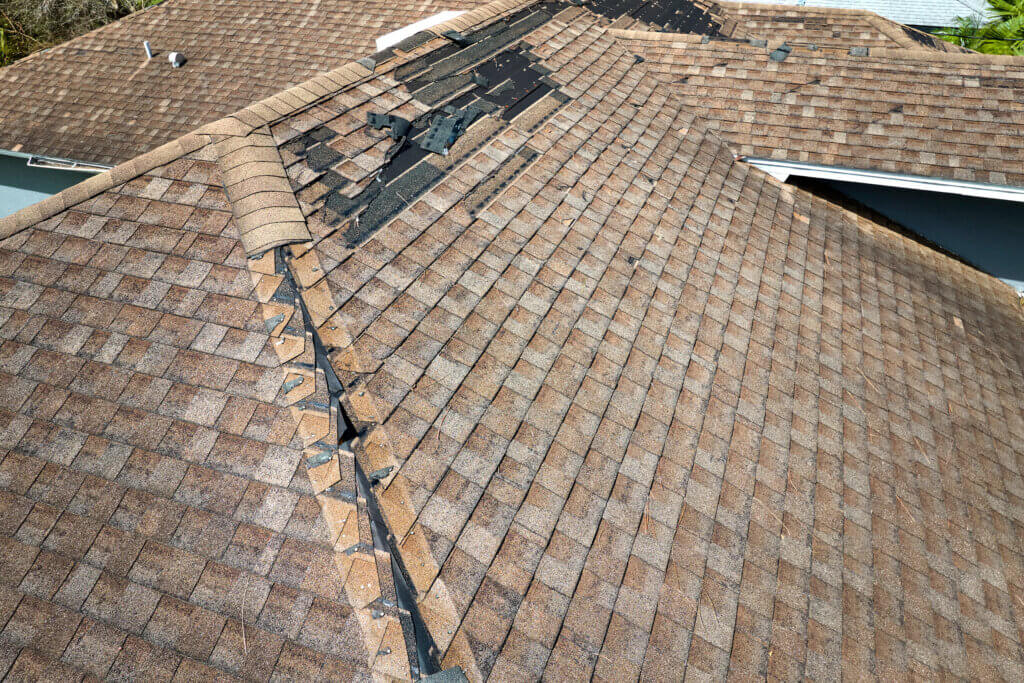
After a storm rolls through Bucks or Montgomery County, most homeowners do a quick scan of the yard — maybe pick up a few fallen branches — and move on. But what about what’s happening twenty feet above your head?
Wind is one of the most underestimated threats to a residential roof. Unlike a visible leak or a cracked shingle you can spot from the driveway, wind damage works quietly. It loosens, lifts, and weakens your roofing system over time — often long before you notice anything wrong inside your home.
Understanding how wind affects your roof lifespan is one of the most valuable things a PA homeowner can do. A roof that takes repeated hits from storms without proper inspection or maintenance ages faster, costs more to repair, and may need full replacement years ahead of schedule.
How Wind Affects Your Roof Lifespan
Wind doesn’t just cause damage during major storms. Every time a strong gust moves across your home, it puts stress on your roofing system — stress that builds up season after season. To truly understand how wind affects your roof lifespan, you need to look at what’s actually happening at the physics level, how different wind speeds create different levels of risk, and why the slow, cumulative damage is often more costly than a single dramatic event.
The Physics Of Wind Uplift — Edges, Ridges, And Corners Take The Most Pressure
Wind doesn’t hit your roof evenly. As it moves across the surface of your home, it creates two forces working simultaneously — positive pressure pushing against the windward side and negative pressure (suction) pulling upward on the roof surface. That uplift force is strongest at the edges, ridges, and corners of your roof, which is exactly where shingles are most likely to lift, curl, or separate from the deck below.
Think of it like peeling a label off a surface — once one corner starts to lift, the rest follows much more easily. A shingle that’s even slightly raised becomes a lever that wind can grab onto, pulling the fasteners loose and exposing the underlayment beneath.
This is why roof damage after a storm often starts at the perimeter and works inward — and why proper roof installation with correct fastener placement and sealant bonds matters so much from day one.
Wind Speed Thresholds Pa Homeowners Should Know (25 / 50 / 60+ Mph)
Not all wind is created equal. Here’s a practical breakdown of what different wind speeds mean for your roof:
25 mph and under — Minimal risk for a well-maintained roof. However, if your shingles are already aging or sealant bonds are weakening, even moderate gusts can start to work fasteners loose over time.
25–50 mph — This is where noticeable stress begins. Shingles can start to lift at their edges, flashing around chimneys and vents can loosen, and debris carried by the wind can scrape away protective granules from your shingles.
50–60 mph — At this range, asphalt shingles are at real risk of creasing, tearing, or being blown off entirely. Flashing can detach, gutters can pull away from the fascia, and any pre-existing weakness in your roof becomes significantly more vulnerable.
60+ mph — Severe damage territory. At these speeds, even relatively new roofs can suffer significant material loss, and structural components like the roof deck can be exposed to water almost immediately.
Pennsylvania homeowners in Bucks and Montgomery County are no strangers to Nor’easters and spring thunderstorms that regularly push winds into the 50–70 mph range. Knowing where your roof stands before storm season hits is essential.
Why Cumulative Damage Is More Dangerous Than One Big Storm
Here’s the part most homeowners don’t think about: a single dramatic storm is actually easier to deal with than years of moderate wind exposure. Why? Because visible damage gets reported, inspected, and repaired. Cumulative damage doesn’t.
Every time wind lifts a shingle slightly and drops it back down, the sealant bond weakens a little more. Every time debris scrapes across the surface, a few more protective granules are lost. Every time fasteners flex under uplift pressure, they work slightly looser in the decking below.
None of these micro-events looks like a problem on its own. But over five or ten years, they add up to a roof that fails years before its expected lifespan — and a homeowner who has no idea why.
This is the real answer to how wind affects your roof lifespan: it’s not usually one catastrophic moment. It’s a slow erosion of the materials and bonds that keep your home protected. Regular inspections are the only way to catch this cumulative damage before it becomes a major repair bill.
What Wind Damages on Your Roof — Component by Component
Most conversations about wind damage start and end with shingles. But your roof is a system — and wind doesn’t discriminate. From the surface layer all the way down to the deck, every component plays a role in keeping water out of your home. When wind compromises one part, it puts pressure on everything around it. Here’s what to watch for, piece by piece.
Shingles — Lifting, Creasing, Granule Loss
Shingles are your roof’s first line of defense, and they take the most direct hit from wind. There are three main ways wind damages them:
Lifting happens when uplift pressure breaks the sealant bond between shingles. A lifted shingle may fall back into place after the storm passes, which is why this damage is so easy to miss. But once that bond is broken, the shingle is permanently more vulnerable to the next gust — and to water getting underneath.
Creasing occurs when wind catches a shingle edge and bends it back on itself. Even if the shingle doesn’t tear off completely, a crease creates a weak point where water can pool and eventually penetrate.
Granule loss is the slowest and most overlooked form of wind damage. Those small mineral granules embedded in asphalt shingles aren’t just decorative — they protect the asphalt layer underneath from UV radiation and weathering. Wind-driven debris scraping across the surface, or the repeated flexing of shingles in strong gusts, knocks granules loose over time. Check your gutters after a storm — an unusual amount of granule buildup is one of the clearest signs that your shingles are wearing faster than they should.
Flashing — Around Chimneys, Skylights, And Vents
Flashing is the thin metal material that seals the joints between your roof surface and vertical structures like chimneys, skylights, and vent pipes. It’s critical — and it’s one of the first things wind gets underneath.
Because flashing sits at transitions and angles rather than lying flat against the deck, it’s particularly exposed to uplift pressure. Over time, wind can loosen the fasteners holding it in place, crack the sealant around its edges, or lift it away from the surface entirely. Once flashing fails, you have a direct entry point for water right at some of the most structurally vulnerable spots on your roof.
The tricky part is that flashing damage rarely looks dramatic from the ground. A slightly lifted corner or a hairline crack in the sealant is almost impossible to spot without getting up close — which is exactly why a professional inspection after significant wind events is so important.
Gutters And Fascia — Often Overlooked After A Storm
After a windstorm, most homeowners focus on the roof surface itself and completely overlook the gutters and fascia. That’s a mistake.
Gutters are anchored to the fascia board along the roofline with hangers and spikes. Strong winds — especially when combined with the weight of debris — can pull those hangers loose, causing gutters to sag, separate, or detach from the house entirely. A gutter that’s even slightly out of alignment no longer drains water away from your foundation the way it’s supposed to, which creates a whole separate set of problems.
The fascia board itself can also suffer. Wind pressure and wind-driven rain work their way behind the fascia over time, causing wood rot that weakens the entire roofline structure. By the time the damage is visible from the outside, it’s usually well advanced on the inside.
The Roof Deck — What Happens When Water Gets In
The roof deck is the wooden foundation that everything else sits on — your underlayment, your shingles, your flashing. It’s the last line of defense before water reaches the interior of your home, and it’s also the most expensive component to repair or replace.
Wind damage to shingles and flashing becomes a deck problem the moment water finds a way through. Once moisture reaches the deck, it begins to soften and rot the wood, which compromises the structural integrity of the entire roof. Fasteners lose their holding power in saturated wood. Mold takes hold quickly in the dark, damp environment of a damaged deck. And by the time you see a water stain on your ceiling, the deck damage underneath is often already significant.
This is why addressing wind damage early — even when it seems minor — is so critical to protecting your roof’s lifespan. A missing shingle today can become a rotted deck section in six months if it’s left unattended through a wet Pennsylvania winter.
Roof Maintenance After a Windstorm — What to Do and When
After a storm passes, it’s natural to want to get up on the roof and assess things yourself. Our strong advice: don’t. Roof surfaces are slippery, pitch angles are deceptive, and wind damage can compromise the structural integrity of areas you’d be walking on without even knowing it. Here’s what you can safely do — and when it’s time to call the pros.
Step 1 — What To Inspect Safely From The Ground
Grab a pair of binoculars and walk the perimeter of your home. From the ground, look for:
- Missing, curled, or visibly lifted shingles
- Sagging or detached gutters
- Debris sitting on the roof surface
- Exposed dark patches where shingles may have shifted
Take photos of anything that looks out of place. That documentation matters more than you might think.
Step 2 — Inside Your Home: Attic And Ceiling Signs To Check
Before you call anyone, do a quick check inside. Head to your attic with a flashlight and look for daylight coming through the roof boards, water stains, or damp insulation. Back downstairs, scan your ceilings for new water stains or bubbling paint — both are signs that water has already found a way in.
Step 3 — When To Call A Professional Roofer Vs. Wait
If you spotted anything in Steps 1 or 2 — or if your area experienced winds above 50 mph — don’t wait. Call a licensed roofer for a professional inspection. What looks minor from the ground is often more significant up close, and most wind damage only gets worse through the next rain or freeze cycle.
At JL Roofing & Siding, we inspect roofs throughout Bucks and Montgomery County after storm events. We know exactly what to look for, and we’ll give you an honest assessment — no pressure, no upselling.
Step 4 — Documenting Damage For An Insurance Claim
If you’re planning to file an insurance claim, documentation is everything. Keep your ground-level photos, note the date and approximate wind speeds from a local weather report, and avoid making any permanent repairs before your adjuster has seen the damage. A professional roofing contractor can also provide a written inspection report that supports your claim — something we routinely help our customers with.
How to Protect Your Roof From Wind Damage in PA
The best time to think about wind damage isn’t after a storm — it’s before one. A little proactive attention goes a long way toward extending your roof’s lifespan and keeping repair costs manageable. Here are three things that make a real difference.
Choose Wind-Rated Materials — What The Ratings Actually Mean
Not all roofing materials handle wind the same way. Asphalt shingles are rated for specific wind speeds — standard shingles typically up to 60 mph, while architectural and impact-resistant options can be rated for 110–130 mph or higher. If your home is due for a roof replacement, it’s worth having a conversation with your contractor about upgrading to higher wind-rated materials. In a region like southeastern PA where Nor’easters and summer storms are a fact of life, that upgrade often pays for itself.
Schedule Inspections Before And After Storm Season
Most wind damage that shortens a roof’s lifespan goes undetected simply because no one looked. A professional inspection once or twice a year — ideally in the fall before winter storms arrive and again in spring — catches the small issues before they become expensive ones. Loose flashing, weakened sealant bonds, and early granule loss are all fixable at low cost when caught early. Left alone through a PA winter, they’re a different story.
Small Repairs Done Early Vs. Full Replacement Later
This one is straightforward: a $300 repair today can prevent a $12,000 roof replacement in three years. Wind damage is progressive — every storm builds on the weakness left by the last one. Staying on top of minor repairs is the single most effective thing a homeowner can do to get the full lifespan out of their roof.
At JL Roofing & Siding, we help Bucks and Montgomery County homeowners stay ahead of exactly this kind of wear. If it’s been a while since your roof was last looked at, now is a good time.
Frequently Asked Questions About Wind and Roof Lifespan
How Do I Know If Wind Damaged My Roof?
The most common visible signs are missing or lifted shingles, granule buildup in your gutters, and sagging gutters along the roofline. Inside your home, new water stains on ceilings or damp spots in the attic after a storm are strong indicators that wind has compromised something. That said, a lot of wind damage isn’t visible without a professional inspection — especially damage to flashing, sealant bonds, and the underlayment beneath your shingles. If your area experienced winds above 50 mph, it’s worth having a roofer take a look even if everything seems fine from the ground.
Can Wind Damage Void My Roof Warranty?
It depends on the warranty. Most manufacturer warranties cover defects in materials but exclude damage caused by wind speeds above a certain threshold — often 60 mph for standard shingles. However, many higher-grade shingles come with wind warranties up to 110–130 mph. Workmanship warranties from your roofing contractor are separate and typically cover installation-related issues rather than storm damage. If you’re unsure what your current warranty covers, your roofing contractor can help you review it — and if you’re replacing your roof, it’s worth asking specifically about wind warranty coverage upfront.
How Long After A Storm Should I Get An Inspection?
As soon as possible — ideally within a few days of a significant wind event. The longer damaged areas are left exposed, the more opportunity water has to work its way into your underlayment and roof deck. Pennsylvania winters are particularly unforgiving in this regard, since freeze-thaw cycles can turn a small vulnerability into serious structural damage very quickly. Roof maintenance after a windstorm isn’t something to put on the back burner, even when the damage looks minor from the ground.
Does Homeowner’s Insurance Cover Wind Damage In Pa?
In most cases, yes. Standard homeowner’s insurance policies typically cover wind damage as part of their storm damage provisions. The key is documentation — photos taken immediately after the storm, a record of local wind speeds, and a professional inspection report from a licensed roofing contractor all strengthen your claim significantly. One important note: if you delay repairs and the damage worsens, your insurer may argue that the additional deterioration resulted from neglect rather than the storm itself. Acting quickly and getting a professional assessment protects both your roof and your claim. Roof maintenance after a windstorm, even temporary protective measures, shows your insurer you acted in good faith.
JL Roofing & Siding Is Here When the Storm Passes
Understanding how wind affects your roof lifespan is one thing — having a trusted local team to help you act on it is another.
At JL Roofing & Siding, we’ve been protecting homes across Bucks and Montgomery County for over 30 years. Whether you’ve just come through a storm and want peace of mind, or it’s simply been a while since your roof was last inspected, we’re here to give you an honest assessment and a clear path forward — no pressure, no guesswork.
We’re locally based at 1966A Pioneer Rd, Huntingdon Valley, PA 19006 and serve homeowners throughout the surrounding communities. Give us a call at 215-443-5955 or reach out through our contact page to schedule your free roof inspection today.
Your roof works hard to protect everything underneath it. Let us make sure it’s ready for whatever comes next.