
Have you noticed your upstairs feeling like an oven in July? Or maybe your energy bills have been creeping up and you can’t figure out why. These are the kinds of things that make homeowners ask: how do I know if my roof has poor ventilation? The truth is, most people never think about roof ventilation — until something starts going wrong. Your roof does a lot more than keep the rain out. It’s a system, and when airflow in the attic is off, the effects show up all over your home. In this guide, we’ll walk you through 8 clear warning signs that your roof may not be breathing the way it should.
What Is Roof Ventilation and Why Does It Matter?
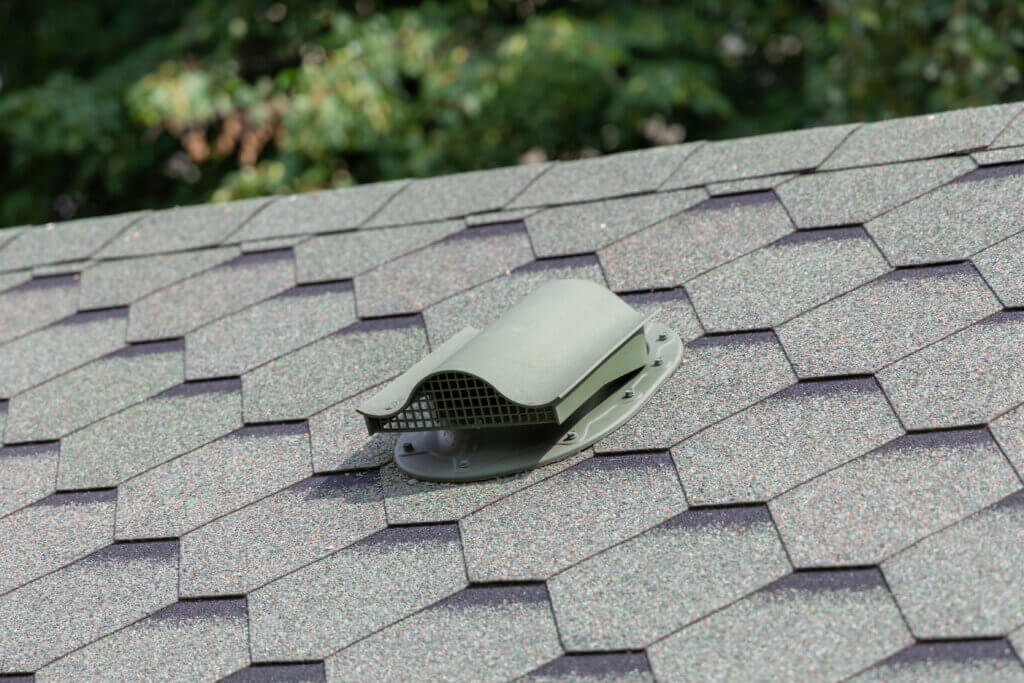
Roof ventilation is the system that allows fresh air to flow in and out of your attic, keeping temperature and moisture levels balanced year-round. It works through two types of vents — intake vents, which bring cool air in through the soffits, and exhaust vents, which push hot, humid air out near the ridge. When this balance is working correctly, your roof stays healthier, your home stays more comfortable, and your energy bills stay lower. When it breaks down, you end up with attic ventilation problems that quietly damage your home from the top down — often before you ever notice anything from the outside.
How Do I Know if My Roof Has Poor Ventilation? 8 Warning Signs
If you’ve been wondering how do I know if my roof has poor ventilation, the good news is that your home usually gives you clues. Here are 8 warning signs to watch for.
1. Your Upper Floors Are Too Hot in Summer
If the second floor of your home feels significantly warmer than the rest of the house during summer, poor roof ventilation is often the culprit. Without proper airflow, heat gets trapped in the attic and radiates downward into your living spaces. Attic temperatures in a poorly ventilated home can climb well above 150°F on a hot day — and your ceiling and upper rooms absorb all of that. If your air conditioner is running constantly just to keep the upstairs tolerable, your attic may not be releasing heat the way it should.
2. You Notice Mold or a Musty Smell in the Attic
A musty odor near your attic access point is one of the earliest and most telling signs of attic ventilation problems. When warm, moist air gets trapped in the attic without a way to escape, it condenses on wood surfaces and creates the perfect environment for mold and mildew to grow. You might notice dark staining on rafters, discoloration on the underside of the roof deck, or visible mold patches around the eaves. This is not something to put off — mold spreads quickly, affects your indoor air quality, and can turn a straightforward ventilation fix into a much more expensive repair.
3. Your Shingles Are Curling, Blistering, or Aging Fast
Your shingles take the most visible beating when roof ventilation fails. Excessive heat building up underneath them causes the asphalt to dry out, blister, and curl at the edges — often years before the shingles should need replacing. If your roof is less than 15 years old and already showing signs of wear, poor ventilation is one of the first things a professional will check. Premature shingle failure is not just a cosmetic issue — it leaves your roof deck exposed to moisture and can lead to leaks down the line.
4. Ice Dams Form on Your Roof Every Winter
For homeowners in Bucks County and Montgomery County, ice dams are a familiar winter headache — and poor roof ventilation is almost always behind them. When warm air escapes into a poorly ventilated attic, it heats the roof deck and melts snow from underneath. That water runs down toward the colder eaves and refreezes, forming a ridge of ice that traps more water behind it. Left unchecked, ice dams force water under your shingles, causing leaks, damaged insulation, and water stains on your ceilings. Proper attic ventilation keeps the roof deck cold and even, so snow melts uniformly without creating that damaging cycle.
5. Your Energy Bills Keep Going Up
If your heating and cooling costs have been climbing and nothing else has changed, your roof ventilation system may be working against you. A poorly ventilated attic traps heat in summer, forcing your air conditioner to work overtime. In winter, the same problem causes your heating system to compensate for temperature imbalances throughout the house. Many homeowners are surprised to discover that fixing attic ventilation problems can meaningfully reduce their monthly energy costs — without replacing any HVAC equipment at all.
6. You See Moisture, Rust, or Condensation in the Attic
If you step into your attic and notice condensation on surfaces, rust forming on nail heads, or insulation that feels damp or compressed — those are clear signs that humid air is getting trapped and has nowhere to go. Moisture in the attic is one of the most damaging consequences of poor roof ventilation. Over time it weakens wood, corrodes metal fasteners, reduces the effectiveness of your insulation, and creates conditions for mold growth. In colder months, that same trapped moisture can appear as frost on the underside of the roof deck — a sign that warm interior air is consistently making its way into an attic that isn’t exhausting it properly.
7. Your Roof Deck Feels Spongy or Is Sagging
This is one of the more serious warning signs on this list. If you notice any part of your roofline sagging, or if your roof deck feels soft or spongy when walked on, persistent moisture from poor ventilation has likely been doing structural damage for some time. A compromised roof deck can’t support your shingles properly and creates a serious risk of leaks or even partial roof failure. At this stage, the issue goes beyond a ventilation correction — you may need decking replacement as part of the repair. Catching the earlier signs on this list is exactly how you avoid getting to this point.
8. Your HVAC System Is Overworking or Breaking Down
Most homeowners don’t connect HVAC problems to their roof — but the two are more related than you might think. When attic ventilation problems force your air conditioner to run constantly in summer, it puts enormous strain on the system. Over time that strain shortens the lifespan of your unit and leads to more frequent breakdowns. If your AC has needed repairs multiple times in recent years and your home still doesn’t feel comfortable, it’s worth having a roofing professional assess your attic airflow before you invest in another HVAC repair or replacement.
When Should I Call a Roofing Professional?
The short answer is: as soon as you notice anything on this list. Many homeowners are tempted to climb into the attic themselves, peek around, and hope for the best — but when it comes to good roof ventilation, a DIY assessment only tells part of the story. You might spot visible mold or feel the heat, but measuring whether your intake and exhaust vents are actually balanced, identifying blocked soffit vents, or catching early moisture damage in the decking requires trained eyes and the right tools.
More importantly, some of the damage caused by attic ventilation problems isn’t visible from inside the attic at all. A professional can assess the full picture — the roof surface, the vent placement, the insulation, and the decking condition — and give you a clear diagnosis rather than a guess.
If you spotted two or more of the warning signs above, don’t wait for the problem to get worse. Roof ventilation issues are almost always easier and less expensive to fix early. Waiting until you have sagging decking, widespread mold, or a voided warranty makes a manageable correction into a major project.
A qualified roofing contractor will inspect your attic, evaluate your current ventilation setup, and recommend the right solution for your specific roof design — whether that’s adding ridge vents, clearing blocked soffits, or installing a balanced intake and exhaust system. The goal is always the same: a roof that breathes properly, protects your home, and lasts as long as it should.
Frequently Asked Questions
Great choice — it creates urgency without being salesy, and it’s a question homeowners genuinely worry about once they realize something might be wrong.
How Long Does a Roof Last Without Proper Ventilation?
A well-installed asphalt shingle roof is typically designed to last 20 to 30 years — but without proper roof ventilation, that lifespan can be cut significantly shorter. Excessive heat trapped in the attic accelerates the breakdown of shingle materials from below, while moisture and condensation weaken the roof deck and rafters over time. The combination of heat and humidity essentially puts your roofing system under constant stress, even on days when the weather outside seems perfectly fine. Some roofing contractors report seeing roofs that should have had another 10 to 15 years of life left requiring full replacement early — simply because the attic was never ventilated properly. Taking care of attic ventilation problems now is one of the most effective ways to get the full life out of your roof and protect the investment you’ve already made.
Can Poor Ventilation Void My Roof Warranty?
Yes — and this surprises a lot of homeowners. Most major shingle manufacturers, including GAF and CertainTeed, require that their products be installed on a properly ventilated roof. If your attic ventilation doesn’t meet their specifications and you file a warranty claim for premature shingle failure, the claim can be denied. This means that even if your shingles were installed correctly, inadequate roof ventilation can leave you without warranty protection when you need it most. If you’re unsure whether your current ventilation meets manufacturer requirements, a professional inspection can give you a clear answer before it becomes an issue.
How Many Vents Does My Roof Actually Need?
The general industry standard is one square foot of ventilation for every 150 square feet of attic floor space — split evenly between intake and exhaust. So a home with 1,500 square feet of attic space would need a minimum of 10 square feet of total ventilation, with 5 square feet coming from intake vents and 5 from exhaust. Roofs with a steeper pitch typically need more ventilation since the attic volume is larger. That said, every home is different, and the right number of vents depends on your roof design, climate, and existing setup. A roofing professional can calculate the correct balance for your specific home rather than relying on a general estimate.
What’s the Difference Between Intake and Exhaust Vents?
Intake and exhaust vents work together as a team — and you need both for roof ventilation to function properly. Intake vents are located low on the roof, typically along the soffits under the eaves. They allow cool, fresh air to enter the attic from below. Exhaust vents sit near the top of the roof — usually at or near the ridge — and allow hot, humid air to escape. The natural movement of air from low to high does most of the work. When one side of that equation is missing or blocked, the whole system breaks down. A common attic ventilation problem is having plenty of exhaust vents but insufficient intake — which actually reduces airflow rather than improving it. Balance between the two is what makes the system work.
Think Your Roof Has a Ventilation Problem? We Can Help
If any of the warning signs in this article sound familiar, don’t ignore them. Poor roof ventilation is one of those problems that rarely stays small — it tends to quietly get worse over time, affecting your shingles, your attic, your energy bills, and eventually your wallet.
At JL Roofing & Siding, we’ve been helping homeowners across Bucks County and Montgomery County protect their roofs and their homes for over 30 years. We know how Pennsylvania winters and summers push roofing systems to their limits, and we know exactly what to look for when something isn’t working the way it should.
Whether you spotted one sign or several, we’re here to give you a clear, honest assessment — no pressure, no guesswork. Our team will inspect your roof, evaluate your current ventilation setup, and walk you through exactly what your home needs.
We’re located at 1966A Pioneer Rd, Huntingdon Valley, PA 19006 — serving homeowners throughout Bucks County, Montgomery County, and surrounding areas across PA and NJ.
Call us today at 215-443-5955 or through our contact page to schedule your free roof inspection.
Your roof works hard to protect your home every single day. Make sure it has what it needs to do that job right.