
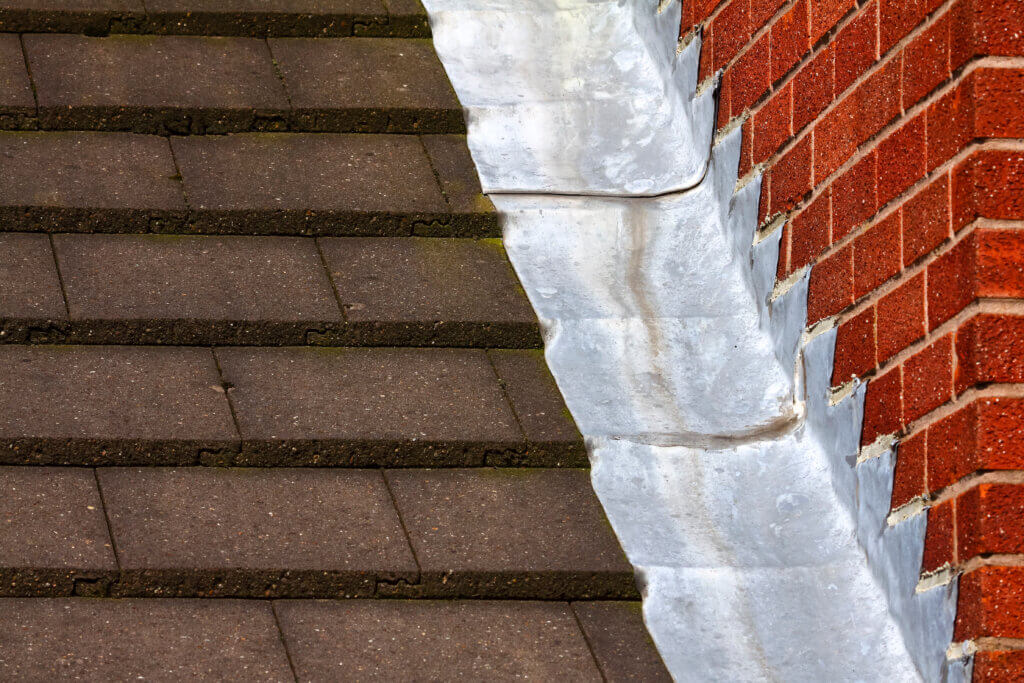
A leaking roof is stressful enough—but when the issue stems from the flashing, things can get a bit more complicated. Roof flashing plays a critical role in keeping water out where two surfaces meet, like chimneys, vents, valleys, and skylights. So when the flashing fails, even a small leak can quickly turn into serious water damage inside your home.
In this article, we’ll break down what you need to know about how to repair roof leaks at flashing—not as a DIY manual, but as a guide to understanding the process. Whether you’re dealing with worn-out flashing, cracked sealant, or a flashing installation that just wasn’t done right, knowing what goes into the repair process can help you make informed decisions.
We’ll also answer common homeowner questions like:
- Can you replace flashing without replacing the entire roof?
- What’s the actual lifespan of roof flashing?
- Can new flashing be installed over the old one?
Let’s get into the details—so you’ll know what to expect and when it’s time to call in the pros.
Can You Replace Flashing Without Replacing the Roof?
Yes, you can. Roof flashing is a separate component from your shingles or roofing material, which means it can often be replaced on its own. If you’re dealing with a leak, understanding how to repair roof leaks at flashing starts with knowing whether the flashing itself is damaged or if there’s a bigger roofing issue at play.
In many cases, flashing repair or replacement is all that’s needed. A roofing professional will inspect the area, remove any worn or corroded flashing, and install new, properly sealed flashing in its place. This targeted approach can save you from the cost of a full roof replacement while still protecting your home from water intrusion.
However, if the surrounding shingles or roofing materials are also deteriorated, your roofer might recommend addressing those areas at the same time. Combining these repairs ensures your flashing has a secure, watertight connection and prevents future leaks from forming around the same spot.
The key takeaway? Flashing repair is often a localized fix, but it requires expert assessment to ensure there’s no hidden damage that could turn into a larger problem down the line.
How to Repair Roof Leaks at Flashing
When it comes to understanding how to repair roof leaks at flashing, it’s important to remember that this is not a simple caulk-and-go project. Flashing repairs require precision, proper tools, and roofing expertise to ensure a lasting solution. Here’s what a professional roofer typically does:
1. Inspection and Leak Detection
The first step is a thorough inspection. A roofing expert will locate the source of the leak by examining the flashing around chimneys, skylights, vents, and roof valleys. Because water can travel before it becomes visible inside the home, a detailed assessment is essential to avoid missing hidden damage.
2. Removing Damaged Materials
Once the leak source is confirmed, any damaged flashing is carefully removed. This may also involve lifting nearby shingles to access the flashing properly. A roofer will also check for signs of rot or water damage in the underlying roof deck, addressing these issues before new flashing is installed.
3. Installing New Flashing
After the area is prepared, new flashing is installed and securely fastened. This step is critical for long-term protection—incorrectly placed flashing is one of the leading causes of repeat leaks. Roofers also ensure proper overlap and sealing to create a watertight barrier.
4. Sealing and Replacing Shingles
With the new flashing in place, roofers use high-quality sealant to reinforce the connection points. Any removed or damaged shingles are then replaced, ensuring the repair blends seamlessly with the surrounding roof.
5. Final Inspection
Finally, the roofer performs a water test or visual inspection to confirm the repair has eliminated the leak. A reputable contractor will also provide guidance on maintaining your roof flashing and spotting early signs of future problems.
Pro Tip: Trying to handle flashing repair yourself often leads to temporary fixes that fail during the next heavy rain. Professional repair ensures not only a solution for today’s leak but also long-term protection for your home.
What Is the Lifespan of Roof Flashing?
When homeowners ask how to repair roof leaks at flashing, it’s just as important to understand how long flashing should last in the first place. Typically, roof flashing has a lifespan that matches your roofing materials—often around 20 to 30 years. However, this depends on several factors, including material type, installation quality, and exposure to the elements.
Factors That Affect Roof Flashing Lifespan
- Material – Aluminum and galvanized steel flashing are common, but copper flashing can last even longer with proper maintenance.
- Weather Conditions – Areas with harsh winters, heavy rain, or frequent storms may see flashing wear down faster.
- Roof Design – Complex roofs with multiple valleys and penetrations tend to require more flashing, which means more points of potential failure over time.
- Installation Quality – Even high-quality materials won’t last if flashing is poorly installed or improperly sealed.
When flashing ages, it can crack, corrode, or separate from the roofing material, allowing water to seep through. That’s why timely inspection and roof flashing repair are critical for preventing small problems from turning into costly leaks.
Bottom line: Regular roof inspections—at least once a year or after major storms—can extend the life of your flashing and help you catch issues before they cause serious damage.
Can You Put New Flashing Over Old Flashing?
It might sound tempting to simply layer new flashing over the old material, but this approach rarely solves the problem. If you want to know how to repair roof leaks at flashing the right way, you need to start fresh.
Why Overlaying Flashing Doesn’t Work
When old flashing is left in place, it can trap moisture, hide corrosion, or create uneven surfaces that prevent the new flashing from sealing properly. This often leads to recurring leaks and more extensive roof damage in the long run.
The Proper Process
Professional roofers will typically remove the old flashing, inspect the underlying structure, and then install new flashing correctly. This ensures:
- A clean surface for proper adhesion and sealing.
- No hidden water damage beneath the old flashing.
- A long-lasting repair that protects against future leaks.
While there are rare situations where overlaying flashing might be used as a temporary emergency fix, it’s never recommended as a permanent solution. True roof flashing repair means starting from scratch.
How to Spot Early Signs of Flashing Problems
Understanding how to repair roof leaks at flashing starts with knowing when flashing is failing in the first place. Catching these issues early can save you from costly repairs down the road.
Common Warning Signs
- Water Stains Indoors – Brown or yellow stains on ceilings or walls often indicate that water is seeping through flashing gaps.
- Visible Rust or Corrosion – If flashing appears discolored or rusty, it’s likely deteriorating and needs replacement.
- Loose or Missing Flashing – High winds or poor installation can cause flashing to pull away from the roof.
- Cracked or Dried Sealant – Sealant around flashing edges can crack over time, leaving vulnerable entry points for water.
- Shingle Damage Near Flashing – Curled or missing shingles near flashing areas often signal a leak is forming.
Why Quick Action Matters
If you notice any of these signs, don’t wait. Roof flashing repair should be handled quickly to prevent structural damage, mold growth, and expensive interior repairs. A professional roofer can inspect the area and provide a long-term fix rather than a temporary patch.
Professional Help for Roof Flashing Repair
Knowing how to repair roof leaks at flashing is one thing—getting it done correctly is another. Because flashing is such a critical part of your roof’s defense system, even a small mistake during repair can lead to bigger, costlier issues down the road. That’s why it pays to work with experienced roofing professionals who can identify the root cause of the problem and fix it right the first time.
At JL Roofing & Siding, we’ve helped countless homeowners in Bucks County, Montgomery County, and parts of New Jersey stop flashing leaks before they cause serious damage. Our team uses proven techniques, high-quality materials, and detailed inspections to make sure your home stays protected from the elements.
If you’ve noticed signs of a flashing leak—or simply want the peace of mind that comes with a professional inspection—contact us today. We’ll provide the expertise and support you need to keep your roof secure and your home dry.