
Your roof works hard every single day—shielding your home from rain, snow, UV rays, wind, and even the occasional hailstorm. But like all hardworking parts of your home, it won’t last forever. If you’ve ever wondered when to replace your asphalt shingles, you’re not alone—and it’s a question every Pennsylvania homeowner will need to face eventually.
Ignoring the warning signs or waiting too long can lead to much bigger (and more expensive) problems, like water damage, structural issues, and even insurance headaches. The good news? Knowing what to look for and understanding your options can help you take action before a small issue becomes a major repair bill.
How Long Do Asphalt Shingles Typically Last?
When considering when to replace your asphalt shingles, the first thing to understand is their expected lifespan. On average, asphalt shingles last between 15 to 30 years, depending on their quality, installation, and environmental exposure.
There are three main types of asphalt shingles commonly used in Pennsylvania:
- 3-tab shingles – These are the most affordable but tend to have the shortest lifespan (15–20 years).
- Architectural (dimensional) shingles – These last longer (20–30 years) and offer better durability and aesthetics.
- Luxury shingles – The premium option, often lasting up to 30 years or more with proper care.
Pennsylvania’s Climate Plays a Role
In a state like Pennsylvania, where we experience freezing winters, wet springs, humid summers, and the occasional nor’easter, your shingles go through a lot of seasonal stress. Drastic temperature changes can cause shingles to expand and contract, leading to cracking or curling over time. Heavy snow and ice can also put added weight and moisture on your roof, potentially shortening its life.
If your roof is approaching—or has already passed—the 20-year mark, it’s time to start paying close attention. Even if there are no visible issues yet, proactive inspections can help you determine when to replace your asphalt shingles before problems arise.
Top Warning Signs to Know When to Replace Your Asphalt Shingles
Understanding when to replace your asphalt shingles often comes down to recognizing the red flags before they lead to major issues. Even if your roof looks fine from the ground, there could be hidden problems developing. Here are some of the most common and important signs to watch for.
Curling, Cracking, or Missing Shingles
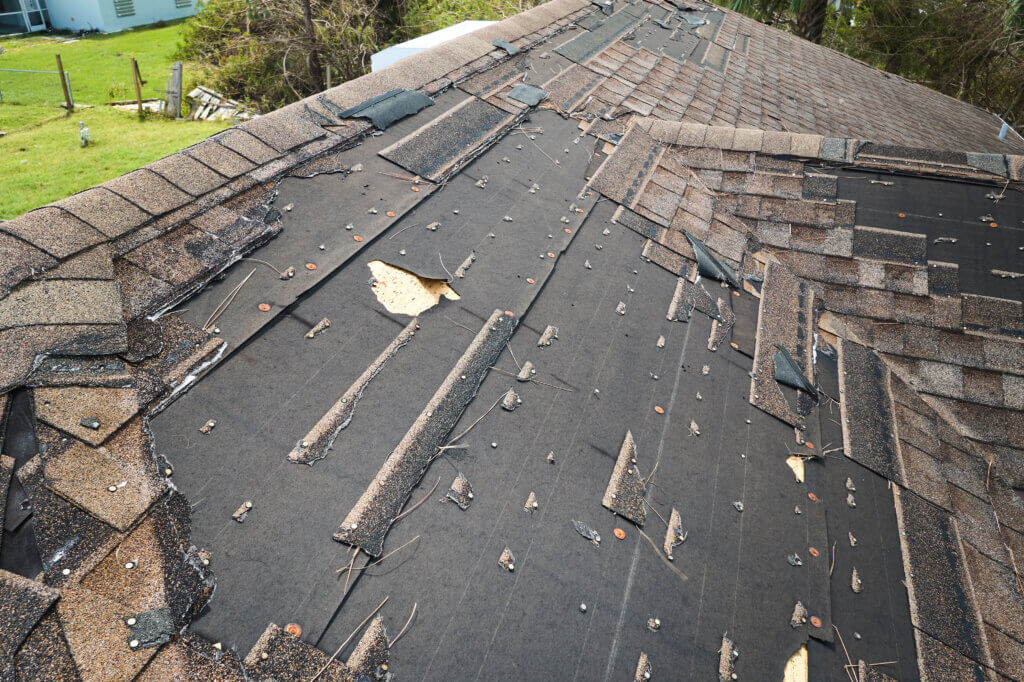
Take a moment to look up at your roof. Do you notice any shingles that are curling at the edges, cracking down the center, or—worse—missing entirely? These are early signs that your asphalt shingles are deteriorating.
Curling often happens as shingles age and lose their ability to hold their shape, especially after repeated exposure to moisture and sunlight. Cracking can indicate brittleness, meaning the shingles are no longer flexible or effective at keeping water out. Missing shingles, meanwhile, are a clear indicator that your roof’s protective layer is compromised and needs attention.
Granule Loss and Bald Spots
Those gritty little granules on your shingles aren’t just for looks—they play a crucial role in protecting your roof from UV rays and weather damage. Over time, especially in Pennsylvania’s variable climate, these granules can wear off due to rain, wind, and aging.
You might notice granules collecting in your gutters or downspouts, or see bald patches where the asphalt is exposed. When enough granules are lost, the shingles become vulnerable to sun damage and moisture infiltration. This is a sure sign that it’s time to consider when to replace your asphalt shingles to avoid further deterioration.
Interior Leaks or Water Stains
Sometimes, the first place you’ll notice a roofing issue isn’t outside—it’s inside your home. Water stains on your ceiling or walls, musty smells in the attic, or visible leaks during a storm are all indicators that water is getting past your shingles and into your home.
Once moisture breaches the roof deck, it can lead to rot, mold growth, and structural weakening. If your roof is old or showing other signs of wear, leaks are often the final signal that it’s time to act.
If you’re seeing any of these signs, it’s a good idea to schedule an inspection sooner rather than later. Knowing when to replace your asphalt shingles can help prevent costly damage and restore peace of mind.
Why Waiting Too Long Can Lead to Expensive Repairs
Deciding when to replace your asphalt shingles isn’t just about aesthetics—it’s a matter of protecting your home, your finances, and even your insurance coverage. Putting off a necessary roof replacement can lead to long-term damage that is far more costly than the replacement itself, especially for Pennsylvania homeowners.
Water Damage and Mold Risks
Once aging shingles start to fail, moisture can seep beneath the surface and infiltrate your roof deck and insulation. Over time, this trapped moisture creates the perfect breeding ground for mold and mildew.
Mold can spread quickly, affecting drywall, attic beams, and even your HVAC system. In addition to being unsightly and smelly, mold presents serious health risks for you and your family—especially those with allergies or respiratory conditions. Repairing mold damage often involves not just the roof, but extensive remediation inside the home.
And here’s the catch: by the time interior water stains appear, the damage is usually already extensive. That’s why knowing when to replace your asphalt shingles is key to staying one step ahead of water intrusion.
Structural Issues and Energy Loss
Water doesn’t just damage what’s visible—it also weakens what’s hidden. When your roof decking, rafters, or attic insulation get saturated or start to rot, your home’s structural integrity is at risk. Soft spots in the roof or sagging areas are clear warning signs that the problem has gone beyond the shingles.
Additionally, damaged or missing shingles reduce your home’s ability to retain heat in winter and block out heat in summer. That means higher energy bills as your HVAC system works overtime. In a climate like Pennsylvania’s—with cold winters and humid summers—that energy loss adds up fast.
Replacing shingles on time helps preserve your home’s structure and energy efficiency, saving money in both the short and long term.
Insurance Complications
Here’s something many homeowners don’t realize: if your roof is clearly past its prime and you delay replacement, your homeowners’ insurance may not cover resulting damage.
Insurance providers typically require regular maintenance on your part—including replacing old roofing when needed. If an inspector determines the damage could have been avoided with timely replacement, your claim may be denied.
Pennsylvania homeowners can also face increased premiums or even risk non-renewal if their roof is too old or visibly deteriorated. Taking action early—before your roof becomes a liability—can help protect your home and your policy.
How JL Roofing & Siding Can Help
Knowing when to replace your asphalt shingles is important—but choosing the right contractor to do the job is just as critical. That’s where JL Roofing & Siding comes in. With decades of experience serving Pennsylvania homeowners, we understand the unique challenges our local climate presents and know exactly what your roof needs to stand up to the elements year after year.
Whether your roof is showing visible wear, you’ve noticed leaks, or you simply want peace of mind with a professional inspection, our licensed and insured team is here to help. We offer honest assessments, fair pricing, and expert workmanship you can trust. From replacing aging asphalt shingles to upgrading to a more durable solution, we’ll guide you every step of the way.
If you’ve been asking yourself when to replace your asphalt shingles, chances are it’s time to take a closer look. Waiting too long can lead to water damage, mold, structural issues, rising energy bills, and even problems with your homeowners insurance.
By recognizing the warning signs early and acting before problems get worse, you protect not just your roof—but your entire home and wallet. And with a trusted local partner like JL Roofing & Siding on your side, the process is simple, stress-free, and built around your needs.
Ready for a Roof That Protects What Matters Most?
Don’t wait until it’s too late. Schedule your free roof inspection with JL Roofing & Siding today and let us help you make the right call—before minor damage turns into a major headache.