
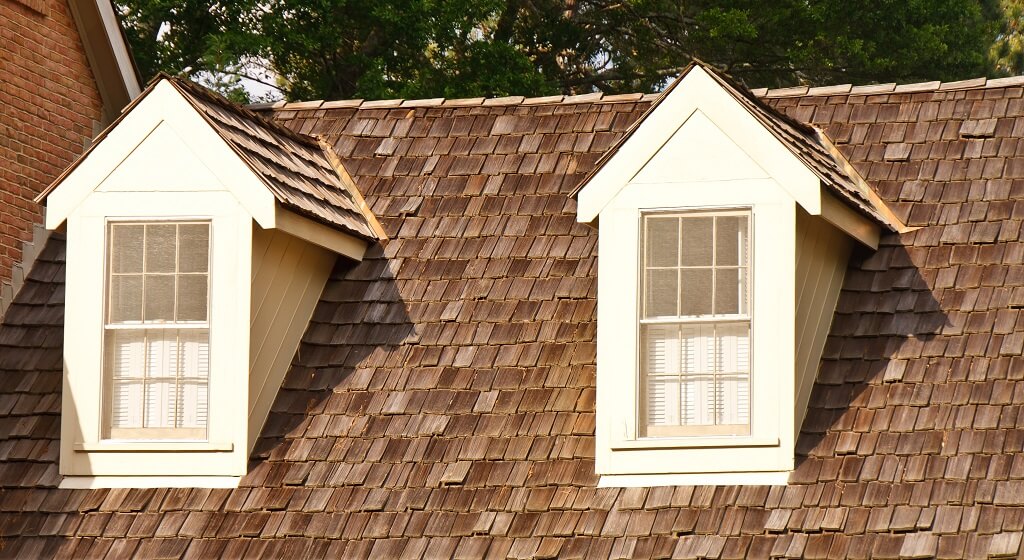
When it comes to choosing the right roofing material for your home, it’s essential to consider the pros and cons of each option. In this article, we’ll explore the key differences between wood shake roof vs shingles, helping you make an informed decision for your roofing needs.
The Composition of Wooden Shakes vs Shingles
Before diving into the comparison of wood shake roof vs shingles, let’s take a closer look at their composition.
Since the 18th century, shakes have been made by splitting logs into a specified thickness — usually about 3/8th of an inch. The shingles are machine-sawn into squares of various thickness sizes up to one inch. Both are kiln and pressure treated to reduce moisture and increase lifespan. Cedar, spruce, pine, and cypress will be among the choices that you and your roofing expert will discuss.
Wood Shake Roof vs Shingles
Curb Appeal and Durability
Wood shake roofs are renowned for their timeless beauty and natural charm. They provide a warm and inviting aesthetic, enhancing the curb appeal of traditional and rustic-style homes. However, they require regular maintenance to retain their appearance and longevity.
Shingles, on the other hand, are more versatile in terms of design options. They are available in a wide range of colors, textures, and styles, allowing homeowners to achieve various architectural aesthetics. Shingles also tend to be more durable, requiring less maintenance over time.
Installation and Repair
When deciding between wood shake roof vs shingles, installation is a key aspect to take into account.
Wood shake roofs can be more time-consuming and complex to install. The process requires precise techniques to ensure proper ventilation and prevent issues such as warping or mold growth.
In contrast, shingles are relatively easier to install, making the process quicker and more cost-effective. Repairing shingles is also simpler, as damaged shingles can be individually replaced.
Fire and Water Aspects
One aspect to consider in the debate of wood shake roof vs shingles is fire resistance. Wood shakes are made from combustible material, making them more susceptible to fire hazards. However, treated wood shakes with fire-resistant coatings are available. It’s crucial to check local building codes and regulations regarding the use of wood shakes in fire-prone areas.
Shingles, particularly those made of asphalt or fiberglass, provide better fire resistance compared to wood shakes. They also have a smooth surface that allows water to run off easily, making them more resistant to water damage.
Positive Resistance
Wood shakes offer natural insulation properties, providing better energy efficiency for your home. They can help regulate temperature and reduce heating and cooling costs. Additionally, properly installed wood shake roofs have good wind resistance.
Shingles, especially those designed for high-wind regions, can also offer excellent wind resistance. They are engineered to withstand strong winds and severe weather conditions, providing added protection to your home.
When deciding between wood shake roof vs shingles, it’s important to weigh the pros and cons based on your specific needs and preferences. Wood shake roofs offer unmatched natural beauty but require regular maintenance and may have fire susceptibility. Shingles provide a wide range of design options, easier installation, and better durability.
Our skilled professionals at J L Roofing and Siding have over thirty years’ experience with all types of roofing. We are certified and happy to discuss the beauty of natural wood as the next roof for your home. Please call or contact us today!