
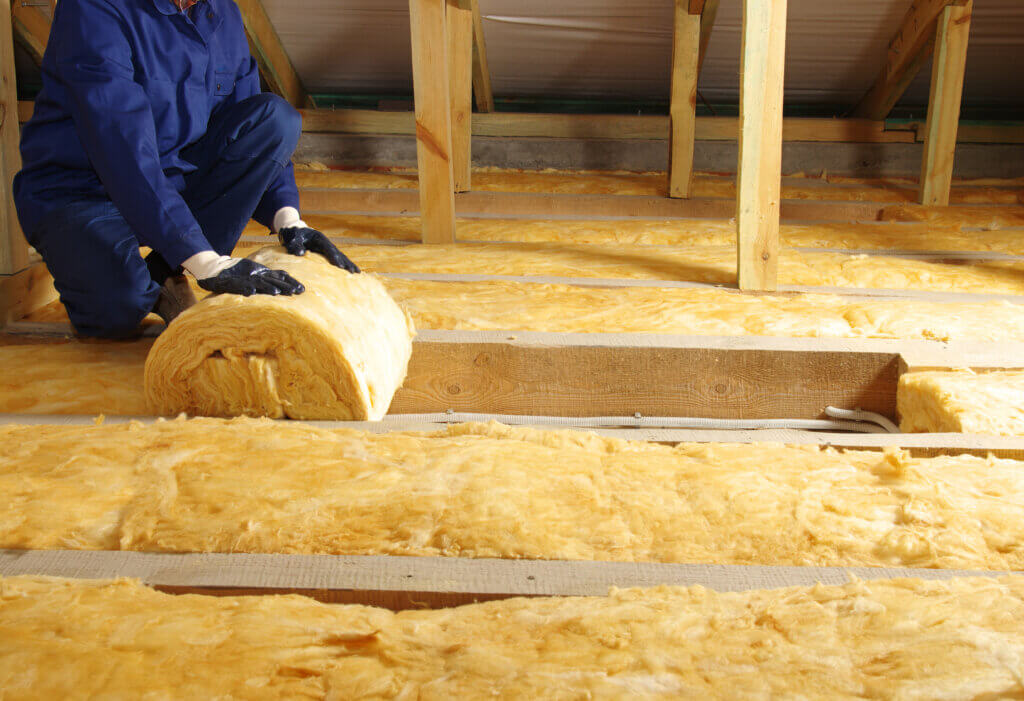
Taking on a DIY home insulation project might seem like a great way to save money and boost your home’s energy efficiency. After all, how hard can it be to install some fiberglass batts or spray foam? However, many homeowners quickly realize that insulating a home properly is more complicated than it seems. Small mistakes can lead to costly energy bills, moisture issues, and even structural damage over time.
In this article, we’ll walk you through the common mistakes of DIY home insulation and how to avoid them. From choosing the wrong materials to skipping critical installation steps, we’ll cover the pitfalls that could end up costing you more than you bargained for. By the end, you’ll have a better understanding of whether this is truly a job for the weekend warrior—or if calling a professional is the smarter (and safer) choice.
Why Not DIY Home Insulation?
At first glance, insulating your home may seem like a straightforward project. The materials are readily available at home improvement stores, and plenty of online tutorials make it look easy. However, DIY home insulation can quickly turn into a costly and frustrating experience if you don’t have the right skills and knowledge.
Here’s why tackling insulation on your own isn’t always a good idea:
- Lack of Expertise – Proper insulation requires understanding different materials, insulation technology developments, their applications, and how they interact with your home’s structure.
- Potential Energy Loss – If installed incorrectly, insulation can actually do more harm than good, leading to drafts, uneven temperatures, and increased energy bills.
- Moisture Problems – Insufficient or improper insulation can trap moisture, causing mold growth and structural damage.
- Safety Concerns – Handling certain insulation materials, like fiberglass and spray foam, requires protective gear and ventilation. Poor installation can also create fire hazards.
- Building Code Compliance – Many homeowners don’t realize that insulation projects must adhere to local building codes to ensure safety and efficiency.
While some minor insulation projects can be done successfully by a determined DIYer, larger jobs—such as attic, crawl space, or whole-home insulation—often require professional expertise to avoid these common pitfalls.
Common Mistakes of DIY Home Insulation
Even the most ambitious DIYers can run into trouble when insulating their homes. Below are some of the most common mistakes of DIY home insulation and how to steer clear of them.
Choosing the Wrong Type of Insulation
Not all insulation is created equal. Some materials work better for certain areas of the home, while others may not provide adequate thermal resistance.
- Fiberglass batts are easy to install but can leave gaps if not properly cut and fitted.
- Spray foam insulation provides excellent air sealing but requires careful application to avoid over-expansion and off-gassing issues.
- Blown-in cellulose is great for attics but can settle over time if not applied evenly.
Before starting your project, research which type of insulation best suits your home’s climate, structure, and energy needs.
Ignoring Air Leaks
Insulation alone isn’t enough to make your home energy-efficient—you also need to seal air leaks. Many DIYers overlook gaps around windows, doors, electrical outlets, and attic hatches. These small openings allow warm or cool air to escape, reducing the effectiveness of your insulation.
To avoid this mistake, use caulking or spray foam to seal cracks and gaps before installing insulation. Pay extra attention to attics and basements, where air leaks are most common.
Failing to Install a Vapor Barrier
A vapor barrier is essential in preventing moisture buildup, which can lead to mold growth and structural damage. Many homeowners either skip this step or install the barrier incorrectly, allowing moisture to seep into the insulation.
Vapor barriers should be placed on the warm side of the insulation—typically facing the interior of the home in colder climates. Make sure to follow manufacturer guidelines and building codes for proper placement.
Not Considering Ventilation
Proper ventilation is key to a well-insulated home. If insulation is packed too tightly or covers necessary ventilation points, it can cause condensation buildup, leading to mold and wood rot.
Attics and crawl spaces need adequate airflow to prevent these issues. Use soffit vents, ridge vents, or gable vents to maintain a balance between insulation and air circulation.
Not Following Local Building Codes
One of the biggest mistakes DIYers make is not checking local building codes before starting their project. Insulation regulations vary by location and specify R-values, vapor barrier requirements, and fire safety standards.
Failing to comply with these codes could result in fines, failed home inspections, or the need for costly reinstallation. Always check your local regulations before purchasing materials or starting installation.
Underestimating the Importance of R-Value
The R-value of insulation measures its ability to resist heat flow. Many DIYers choose insulation with an R-value that’s too low for their climate, resulting in poor energy efficiency.
To determine the correct R-value for your home, consider:
- Your climate zone (colder areas require higher R-values).
- The specific area of your home being insulated (walls, attic, basement, etc.).
- Local building code recommendations.
Using the right R-value ensures your home stays comfortable year-round while keeping energy costs in check.
When to Call a Professional – The Smart Choice
While DIY home insulation might seem like a budget-friendly option, the risks of improper installation far outweigh the potential savings. From choosing the wrong insulation type to overlooking critical steps like air sealing and vapor barriers, even small mistakes can lead to big problems—higher energy bills, moisture damage, and even safety hazards.
If you’re unsure about tackling insulation on your own, or if you’ve already started and realized it’s more complex than expected, it’s time to call in the experts. Professional insulation contractors have the tools, knowledge, and experience to:
- Select the right insulation materials for your home.
- Ensure proper installation that meets local building codes.
- Identify and seal air leaks to improve energy efficiency.
- Prevent costly moisture and ventilation issues.
At JL Roofing & Siding, we specialize in high-quality insulation installation to keep your home comfortable and energy-efficient all year round. Don’t let common DIY mistakes cost you more in the long run—contact us today for a consultation and let our experienced team handle your insulation needs the right way!