
As the brisk winds and snowflakes start to make their presence known in Pennsylvania, it’s time to turn our attention to the heart of our homes – the windows. These portals to the outside world can be a significant source of heat loss during the winter months, leading to higher energy bills and chilly indoor spaces. In this guide, we’ll explore the importance of winterizing your windows and delve into practical tips on how to winterize home windows in Pennsylvania, tailored specifically for the unique climate of the Keystone State.
Winterizing isn’t just about sealing gaps; it’s about creating a snug and warm haven for you and your loved ones. So, should you winterize your windows? Let’s find out.
Should I Winterize My Windows?
Before we dive into the nitty-gritty of window winterization, let’s address a common question: Should you bother winterizing your windows? The answer is a resounding yes, especially if you call Pennsylvania home. Here are three compelling reasons why:
- Energy Efficiency: Winterizing your windows helps create a tighter seal, preventing cold drafts from entering and warm air from escaping. This translates to increased energy efficiency, lowering your heating costs and reducing your carbon footprint.
- Comfortable Living Spaces: Properly sealed windows contribute to a cozier indoor environment. By blocking out the cold, you create a warm and inviting atmosphere for you and your family, making your living spaces comfortable throughout the winter season.
- Protecting Your Investment: Winter weather, with its freezing temperatures and potential for snow and ice, can be harsh on windows. Winterizing not only safeguards your home from the elements but also prolongs the lifespan of your windows, ensuring they remain in optimal condition for years to come.
Understanding the specific steps for how to winterize home windows in Pennsylvania is crucial, considering the state’s varied climate. Let’s break it down.
How to Winterize Home Windows in Pennsylvania
Now that you understand why it’s crucial to winterize, let’s delve into the practical steps on how to winterize home windows in Pennsylvania. The Keystone State’s winter climate demands a tailored approach to ensure your windows are well-prepared for the challenges ahead. Follow these steps to create a cozy and energy-efficient home this winter.
1. Inspect and Seal Gaps:
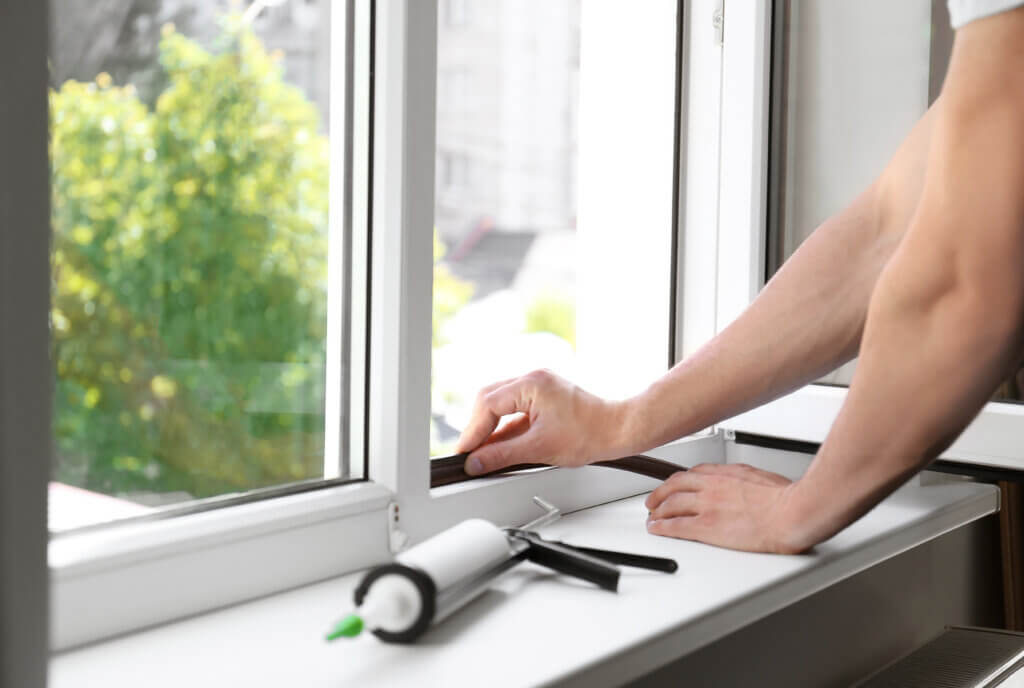
Begin by inspecting your windows for any gaps or cracks that may allow cold air to infiltrate your home. Seal these gaps using weather-stripping or caulking to create a tight barrier against the winter chill.
2. Install Insulating Window Film:
Consider applying insulating window film to your windows. This transparent film provides an additional layer of insulation, reducing heat transfer and keeping your home warmer.
3. Use Draft Stoppers:
Place draft stoppers at the base of your windows to block any drafts that might sneak in from under the window. These simple but effective tools can make a significant difference in maintaining a warm indoor environment.
4. Upgrade to Thermal Curtains:
Swap out your lightweight summer curtains for thermal curtains. These curtains are designed to provide extra insulation, helping to keep the cold out and the warmth in.
5. Utilize Window Insulation Kits:
Window insulation kits are readily available and can be a game-changer in your winterization efforts. These kits typically include shrink film that you apply to the interior of your windows, creating an insulating layer.
6. Ensure Proper Ventilation:
While sealing gaps is essential, ensuring proper ventilation is equally important. Use exhaust fans in kitchens and bathrooms to expel excess moisture, preventing condensation on your windows, which can lead to mold and mildew.
It’s worth noting that while DIY efforts can be beneficial, consulting professionals for window winterization is often the most effective approach. DIY solutions may provide temporary relief, but to ensure long-term protection and optimal energy efficiency, consider the expertise of professionals. For professional window winterization services tailored to Pennsylvania’s winter climate, trust the experienced team at JL Roofing and Siding.
Should You Keep Windows Closed in Winter?
Now that we’ve covered the essential steps on how to winterize home windows in Pennsylvania, the question arises: Should you keep windows closed in winter? The answer is yes. While it may seem counterintuitive, especially if you enjoy a breath of fresh air, there are strategic reasons for keeping your windows closed during the colder months.
Maintaining Indoor Heat
One of the primary reasons to keep windows closed in winter is to maintain the heat inside your home. When windows are open, the warm air generated by your heating system quickly escapes, and the cold air infiltrates your living spaces. By keeping windows closed, you create a barrier against the frigid outdoor temperatures, allowing your home to stay comfortably warm.
Preventing Heat Loss
Even if you’ve diligently followed the steps on how to winterize home windows in Pennsylvania, there’s still a risk of heat loss when windows are left open. Closed windows, especially those with proper winterization measures, act as a shield, preventing heat from escaping and ensuring that your energy-efficient efforts are not in vain.
Protecting Against Winter Elements
Winter often brings not only cold temperatures but also snow, sleet, and freezing rain. Keeping your windows closed provides a defense against these elements, preventing moisture and cold drafts from entering your home. This protection is crucial in maintaining a cozy and dry indoor environment.
Utilizing Controlled Ventilation
While keeping windows closed is recommended for maintaining warmth, controlled ventilation is essential for indoor air quality. Consider using ventilation systems, such as air purifiers or heat recovery ventilators, to ensure a steady flow of fresh air without compromising the temperature inside your home.
A Cozy Winter Awaits with Well-Winterized Windows
As winter settles in Pennsylvania, taking proactive measures to winterize your home windows becomes crucial for maintaining comfort and energy efficiency. By following the steps outlined in this guide on how to winterize home windows in Pennsylvania, you’ve set the stage for a cozy and protected living space.
While DIY approaches can be helpful, investing in professional services like JL Roofing and Siding ensures a comprehensive and tailored approach to window winterization. Professional expertise goes a long way in maximizing energy efficiency and prolonging the lifespan of your windows, ultimately saving you money in the long run.
For personalized assistance or to inquire about our services, please don’t hesitate to contact us. Our team is ready to help you address your gutter needs and keep your home protected.