
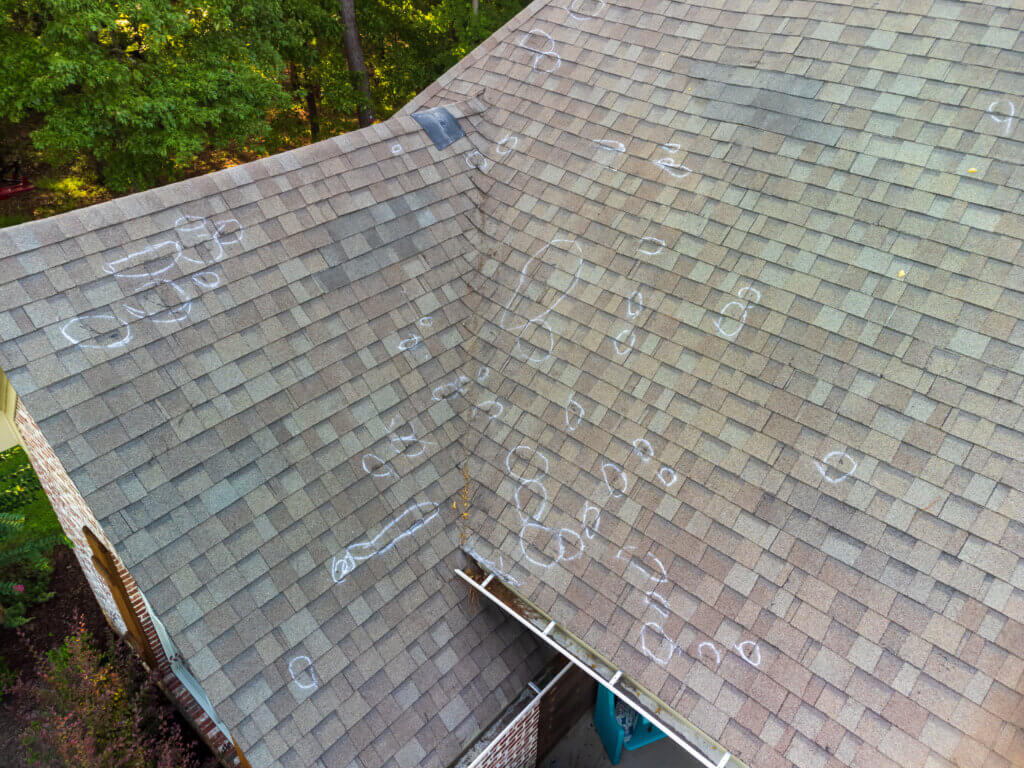
If you’ve lived in Pennsylvania for more than a few seasons, you know our weather doesn’t mess around. One minute it’s sunny skies in Bucks County, the next it’s hailstones clattering on your roof like popcorn. Hail may only last a few minutes, but the damage it leaves behind—especially on roofs—can cost thousands if ignored.
The tricky part? Roofing hail damage isn’t always obvious. A few dents here and there may seem harmless, but over time, they can compromise your roof’s integrity. Moisture can sneak in. Shingles can lift or crack. Before you know it, you’re dealing with leaks, insulation problems, and mold.
Signs Your Roof Has Hail Damage
You don’t have to climb onto your roof to start spotting signs of hail damage (and honestly, we don’t recommend it unless you’re a professional). But knowing what to look for can help you take quick action—and in Pennsylvania, that’s crucial since small issues can quickly become big, expensive ones once the rain, snow, or freeze sets in.
Here are some of the most common signs of hail damage to your roof in PA:
1. Granule Loss on Shingles
This is often one of the first giveaways. Asphalt shingles are coated with tiny granules that protect them from UV rays and weather. Hail impact can knock those granules off, creating dark spots or bald patches. You might also notice granules collecting in your gutters or around your downspouts after a storm.
2. Bruised or Soft Spots
Think of it like fruit—when a shingle gets bruised by hail, it may look fine on the outside, but feel soft or spongy to the touch. These bruises weaken the shingle, making it more likely to crack or wear down over time.
3. Cracked or Broken Shingles
This one’s easier to spot from the ground, especially if large chunks of shingle have broken off. Hail can fracture the shingle mat or even split the surface in half, leaving your roof exposed to the elements.
4. Dents in Flashing, Vents, or Gutters
Don’t forget the metal parts of your roof! If you see dents or dings on metal flashing, ridge vents, or gutters, there’s a good chance your shingles took a hit too. PA hailstorms don’t play favorites—everything is fair game.
5. Water Spots or Leaks Indoors
This is often a late-stage symptom, but if you’re seeing water stains on your ceiling or walls after a storm, don’t wait. It could mean the roof has been compromised, and water is making its way inside.
What to Do Immediately After a Hailstorm in PA
After a hailstorm rolls through your part of Pennsylvania—whether you’re in Quakertown, Norristown, or up in the Lehigh Valley—the clock starts ticking. Roof damage can go from minor to major fast, especially in a state where heavy rain or sudden temperature swings are right around the corner. Taking the right steps right away can save you time, money, and headaches down the line.
Here’s what you should do immediately after a hailstorm:
1. Stay Safe and Assess From the Ground
First things first: don’t grab a ladder and go climbing. The roof may be slippery or unstable. Instead, do a visual inspection from the ground. Use binoculars if you have them. Look for missing shingles, obvious dents in vents, and debris buildup.
2. Check Other Outdoor Areas
Hail doesn’t just hit your roof. Look at your siding, gutters, window screens, deck, and even your car. If those surfaces are damaged, your roof probably is too. This is important because insurance companies often look for “collateral damage” to help validate a hail claim.
3. Document Everything
Take photos and notes. Capture the size of the hailstones (if you can safely collect one), any visible roof damage, and anything else around your property that’s been hit. These images and notes will be essential if you need to file a homeowners insurance claim.
4. Call a Local Roofing Professional for an Inspection
A trusted Pennsylvania roofing contractor—one that’s familiar with hail damage and local building codes—is your best ally. They can safely inspect your roof, assess the true extent of the damage (even if it’s hidden), and help guide you on next steps. This step is critical if you plan to file a claim.
5. Avoid Storm Chasers
Unfortunately, Pennsylvania sees its fair share of fly-by-night roofing companies that show up after major storms offering “cheap” repairs or free inspections. These storm chasers are often not licensed in the state, and they rarely stick around if issues arise later. Work with a reputable, local roofer who has real roots in your community.
How to Repair Roof Hail Damage — Step-by-Step
Once you’ve confirmed that hail damage has hit your roof, the next question is: What now? In Pennsylvania, where our weather isn’t exactly forgiving, time is of the essence. A fast, proper repair ensures your home stays dry and your roofing system lasts for years to come.
Here’s a step-by-step breakdown of how to repair roof hail damage the right way:
Step 1: Schedule a Professional Roof Inspection
Even if the damage seems minor, it’s always worth having a qualified roofing contractor inspect your roof. In PA, licensed roofers are familiar with local code requirements, permitting, and insurance expectations. They’ll check for:
- Soft spots or bruised shingles
- Hidden leaks
- Damaged underlayment
- Compromised flashing or ventilation systems
A good roofing company will document all of this for you with photos and a written report—tools you’ll need if you’re filing an insurance claim.
Step 2: File a Claim With Your Homeowners Insurance (if applicable)
If your inspection reveals significant hail damage, your roofer can often help walk you through the claims process. Pennsylvania insurers typically cover hail damage under standard homeowners policies, but coverage can vary depending on your provider and policy terms.
Tips:
- File promptly (most policies have time limits)
- Include inspection reports, photos, and repair estimates
- Ask your roofer to be present during the adjuster’s visit, if possible
Step 3: Decide on Full Replacement vs. Targeted Repairs
Depending on the extent of the damage, you may only need a few shingles replaced—or it may make more sense to do a full roof replacement. Factors to consider:
- Age of your roof: If your asphalt shingles are 15–20 years old, repairs may be a temporary fix.
- Type of shingles: Some styles and colors may no longer be manufactured.
- Insurance assessment: If more than 25-30% of the roof is damaged, insurers often recommend full replacement.
Step 4: Schedule the Repairs or Replacement
Once you’ve made the decision, your roofer will handle permits, materials, scheduling, and safe installation. For most PA homes, roofing work can be completed within a day or two—weather permitting. Be sure to ask about warranty coverage and make sure you’re receiving high-quality, storm-rated materials.
Step 5: Final Inspection & Preventative Measures
After the repair, a reputable contractor will conduct a final walk-through with you to ensure all damage has been addressed. They may also recommend adding hail-resistant shingles or impact-resistant underlayment to prevent future issues.
Why Prompt Repairs Matter in Pennsylvania
Let’s be honest: after a hailstorm, it’s tempting to ignore the damage—especially if there’s no leak yet. But in Pennsylvania, where weather conditions swing from humid summers to freezing winters, small roof problems escalate fast.
Here’s why timing really matters:
1. PA Weather Is Unforgiving
A bruised shingle in July might not leak today, but come October, when the first frost hits, that minor damage can crack wide open. Ice can seep in, expand, and worsen even the smallest vulnerabilities. Heavy rain and snowfall only add pressure to already weakened areas.
2. Delayed Repairs = More Expensive Fixes
Ignoring hail damage today could mean a full roof replacement tomorrow. Moisture infiltration can lead to:
- Rotted decking
- Mold in your attic
- Interior water stains and ceiling repairs
All of that adds up—especially if insurance denies your claim because you waited too long to act.
3. Insurance Timelines Are Strict
Most Pennsylvania homeowners insurance policies have strict timelines for reporting hail damage. If you wait too long, your claim may be denied even if the damage is clearly storm-related. That’s a tough pill to swallow, especially when a quick inspection right after the storm could’ve protected your budget.
4. Resale Value and Home Appraisals
If you’re planning to sell your home, a hail-damaged roof can cause serious issues during inspection. Buyers may walk away or request a massive credit toward repairs. Keeping your roof in solid condition helps preserve home value—and your peace of mind.
Trust JL Roofing & Siding for Hail Damage Repairs in PA
When hail hits your home, you need more than a contractor — you need a trusted local expert who knows how Pennsylvania weather works, understands roofing systems inside and out, and takes your home’s protection seriously.
At JL Roofing & Siding, we’ve spent decades helping homeowners across Bucks, Montgomery, Lehigh, and surrounding counties recover from roofing hail damage quickly, affordably, and professionally. Whether it’s a few shingles or a full roof replacement, our team handles everything from inspections and insurance coordination to repairs using high-quality, weather-tested materials.
Why local homeowners choose JL Roofing & Siding:
- Free, no-obligation roof inspections
- Detailed hail damage reports for insurance claims
- Fast scheduling and cleanup
- Licensed, insured, and experienced in PA roofing systems
- Long-term warranties for peace of mind
If you think your roof may have hail damage, don’t wait. Contact JL Roofing & Siding today to schedule your free inspection. Let’s protect your home the right way, together.