
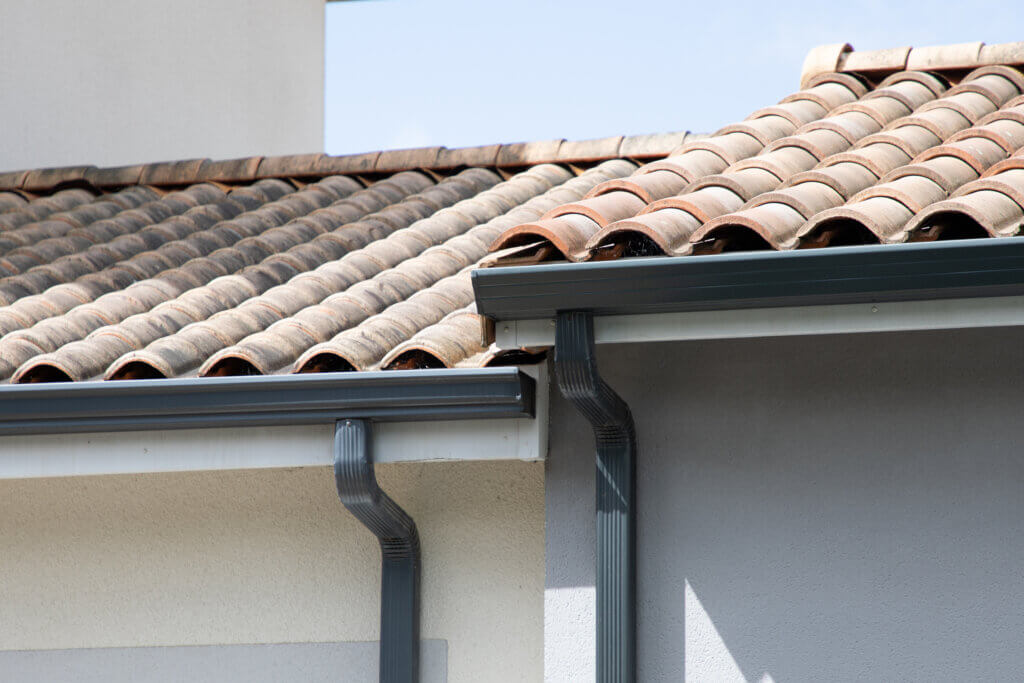
Gutter guards are pointed out as a solution to many common gutter problems, but do gutter guards work in heavy rain? This question is crucial for those considering gutter guards installation to protect their home’s foundation and landscaping from water damage. In this blog post, we’ll delve into how rain gutter guards perform under heavy rainfall conditions, explore common issues like gutter overflow, and offer insights on the best types of gutter guards for handling torrential downpours.
Do Gutter Guards Work in Heavy Rain?
In Pennsylvania, when it really pours, it puts our home’s defenses to the test—especially our gutters. Many people wonder, do gutter guards work in heavy rain? The short answer is that it depends on the type of gutter guard you have.
Most gutter guards are designed to keep leaves and debris out, which helps during normal rain. However, during very heavy storms, the sheer amount of water can be too much for some gutter guards to handle quickly. This can lead to water spilling over the edges of your gutters.
The design of the gutter guard is important. For example, guards with mesh or screens let water through while keeping out leaves. But in very heavy rain, these can sometimes slow down the water too much, causing overflow.
Also, having your gutter guards installed correctly matters a lot. Guards that are put in place by professionals, like the team at JL Roofing & Siding, are more likely to work well during heavy rains. They make sure the guards fit right and cover the gutters properly, which helps prevent water from getting around them.
Is it Normal for Gutters to Overflow in Heavy Rain?
Ideally, gutters should handle rain without spilling over. When they overflow, it could be due to several reasons. One common issue is clogging—leaves, twigs, and debris can block the flow of water, causing it to spill over the edges. This is where gutter guards can be a game-changer. The right rain gutter guards keep the gutters clear, so water flows freely and away from your home’s foundation.
Another reason could be the gutter’s capacity. Some gutters aren’t big enough to handle the volume of water from a heavy Pennsylvania downpour. Upgrading to a larger size or installing additional downspouts can help manage this overflow.
How Do I Stop My Rain Gutters from Leaking?
If you’re noticing water dripping or pouring from your gutters, here are some effective steps to prevent these leaks and ensure your gutter guards installation is performing optimally.
- Regular Maintenance: Even with gutter guards, check and clean your gutters regularly. Remove any debris and inspect for damage or wear.
- Correct Alignment: Ensure your gutters are properly sloped towards the downspouts for optimal water flow. This prevents water pooling and potential leaks.
- Upgrade Your Guards: Invest in high-quality rain gutter guards suited for heavy rain, like mesh or micro-mesh types, to keep debris out and allow water through efficiently.
- Seal and Repair: Check the seals around gutter joints and downspouts. Replace old or damaged seals to maintain a tight, leak-free gutter system.
What Type of Gutter Guard is Best for Heavy Rain?
Choosing the right gutter guard is essential for handling the heavy rains in Pennsylvania effectively. Here are some of the most effective types:
- Mesh Gutter Guards: Mesh gutter guards feature tiny holes that block debris while letting water flow through. They are ideal for high rain volumes due to their high-efficiency water flow and debris blocking capabilities, making them a robust choice for Pennsylvania’s weather.
- Micro-Mesh Gutter Guards: These are an advanced version of mesh guards, with even smaller holes that can filter out the smallest debris while allowing water to pass. They are excellent for areas with heavy rain, as they ensure that gutters remain clog-free.
- Surface Tension Guards (Helmet Style): These guards use the principle of surface tension to direct rainwater into the gutters while debris falls off the edge. They are particularly effective in heavy rain and require less maintenance due to their design.
- Foam Gutter Guards: Foam inserts fit directly inside the gutters, preventing debris from entering. While they are easy to install and cost-effective, they might need more frequent maintenance to manage very heavy rains effectively.
- Brush Gutter Guards: These consist of brush inserts that sit inside the gutters, trapping debris while allowing water to pass. They are economical and easy to install, suitable for moderate rainfalls but may require more frequent cleaning during periods of heavy downpours.
For homeowners in Pennsylvania, selecting the right gutter guard is crucial for protecting your property during heavy rains. With professional installation from companies like JL Roofing & Siding, you can ensure that your gutter guards are optimized for your specific needs.
As we’ve explored the question, “Do gutter guards work in heavy rain?” the answer is clearly yes, especially when you select the appropriate type and ensure professional installation. In Pennsylvania, where intense downpours are frequent, choosing a robust gutter guard system can substantially reduce the risks of water damage.
While no system is entirely foolproof, maintaining your gutter guards and ensuring they are free from blockages is essential for optimal performance. If you’re considering installing or upgrading your gutter guards, it’s beneficial to consult with professionals familiar with Pennsylvania’s weather patterns.
For homeowners looking to protect their property from the elements, JL Roofing & Siding offers expert rain gutter guard installation in Pennsylvania that ensure your gutter guards are perfectly suited to handle even the heaviest rainfalls. Contact us today to find out how we can help you keep your home safe and dry during storm season.