
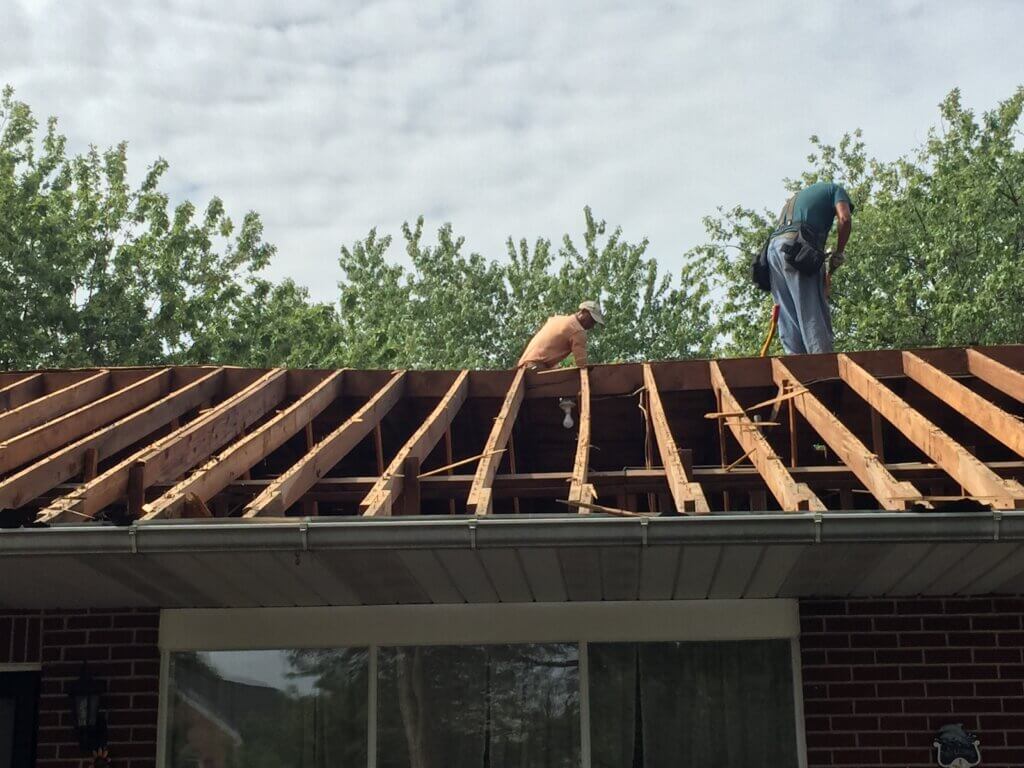
If your roofline looks a little off, or you’ve noticed a dip forming in the ceiling, it might be time to consider sagging roof rafters repair in Burlington County. This isn’t just a cosmetic issue—it’s a sign your roof’s structural integrity could be at risk. And here in Burlington County, with our mix of seasonal weather, older homes, and heavy snowfall, this type of roof issue isn’t uncommon.
Sagging roof rafters can lead to serious long-term damage if not addressed early. Whether you’re in Mount Holly, Medford, Moorestown, or anywhere in between, it’s important to understand what causes rafter sag, how to identify the warning signs, and what the repair process involves. More importantly, you want to make sure the job is done right—by experienced roofing professionals who know how Burlington County homes are built.
In this guide, we’ll walk you through:
Why roof rafters start to sag (especially in our local climate)
What warning signs to look for in your home
What professional roof rafters repair includes
How to choose the right contractor for your Burlington County roof
Let’s start with what’s behind the sag—because knowing the cause is the first step to finding the right solution.
Why Do Roof Rafters Sag?
When it comes to sagging roof rafters, the cause is usually a combination of age, weather, moisture, or poor structural support. In Burlington County, these factors often stack up over time, especially in homes built decades ago—many of which still have their original framing.
Here are the most common causes of sagging roof rafters in our area:
1. Heavy Snow Loads and Seasonal Shifts
In Burlington County, winter storms can dump significant snow and ice on your roof. Over time, that weight can cause rafters to bow or flex—especially if the framing wasn’t designed to handle high live loads. Add in summer heat and humidity, and you get repeated expansion and contraction cycles that weaken the wood.
2. Water Damage and Poor Ventilation
Water is one of the most destructive forces when it comes to roofing. Leaky shingles, clogged gutters, or poor attic ventilation can allow moisture to seep into the rafters. Once wood starts absorbing that moisture, it loses strength and may begin to sag, warp, or rot.
In towns like Mount Laurel, Bordentown, or Cinnaminson, we’ve seen countless cases where hidden moisture was the root cause of roof rafters repair jobs. Many times, homeowners had no idea there was a problem until drywall started cracking or rooflines began dipping.
3. Underbuilt or Modified Roof Structures
Some older homes in Burlington County were built before modern building codes required reinforced rafter systems. Others have been modified over the years—maybe someone added a second floor, finished the attic, or cut into framing to install HVAC or skylights. These kinds of changes, if not reinforced properly, can compromise the structure.
We’ve also seen homes where previous repairs were done “cheap and fast,” using undersized lumber or shortcuts that failed within a few seasons. Sagging is often the first visible symptom that something’s off behind the walls or ceiling.
4. Age-Related Creep and Material Fatigue
Even without dramatic damage, wood slowly deforms over time under constant pressure—a process called creep. After 30+ years, rafters might just not be as straight or strong as they once were. This is especially true in older homes around areas like Riverton, Florence, and Palmyra, where homes built in the 1950s and 60s are showing signs of structural fatigue.
How to Spot Sagging Roof Rafters in Your Burlington County Home
Sometimes, sagging roof rafters aren’t obvious—especially if you don’t spend much time in your attic or don’t know what to look for. But early detection can make a big difference in repair costs and the overall safety of your home. Whether you’re in Willingboro, Hainesport, or Delran, these are the telltale signs homeowners in Burlington County should watch for:
1. Visible Dips in the Roofline
Take a step back and look at your home from the street. If the ridge (the peak) of your roof looks wavy, curved, or has a noticeable sag in the middle, your rafters may be bending under pressure. This is one of the most visible signs of structural weakening—and it’s often the one that triggers a call for roof rafters repair.
2. Cracks in Interior Ceilings or Walls
Inside the home, structural stress can cause drywall to crack, especially along ceiling lines or near the tops of walls. These cracks might seem minor at first, but if they keep reappearing after patching—or get worse seasonally—it could be a sign that the rafters above are shifting.
3. Doors and Windows That Stick or Don’t Close Properly
Sagging rafters can lead to uneven pressure on the framing of your home. Over time, that can cause subtle shifts in door and window frames, making them difficult to open or close. If your attic framing is affecting the structure below, it’s time for an inspection.
4. Gaps or Separation in Roofing Materials
Look up at the underside of your roof deck or inspect the shingles from the outside. Gaps between boards, separated rafters, or visible pulling at nail connections are all signs that things aren’t holding together like they should. You might even hear creaking noises during wind or storms—that’s your roof flexing more than it should.
5. Uneven or Bowed Attic Rafters
If you can access your attic safely, take a flashlight and look along the length of the rafters. Straight rafters should form a clean, consistent line. If you see bowing, twisting, or visible sagging between connection points, it’s time to bring in a professional. Many Burlington County homes have older attic structures that were never reinforced for today’s standards.
Sagging Roof Rafters Repair in Burlington County: What to Expect During the Process
Once you’ve identified the signs of sagging rafters, the next step is professional inspection and repair. At this point, it’s critical to choose a contractor familiar with sagging roof rafters repair in Burlington County—someone who understands local building codes, regional weather impacts, and the types of homes common throughout the area.
Here’s what you can generally expect from a proper roof rafters repair process:
1. Thorough Inspection and Structural Assessment
A qualified roofing contractor will begin with a full attic and roof inspection. They’ll evaluate not just the visible sag, but also the condition of the surrounding framing, sheathing, ventilation, and any water damage. At JL Roofing & Siding, we document everything with photos so you can see exactly what’s happening behind the ceiling.
2. Identifying the Root Cause
Is it moisture? Overloaded framing? Poor original construction? Repairs that don’t address the source of the problem are a waste of money. A trusted local roofer should diagnose the underlying cause—because simply bracing the rafters won’t solve the issue if, say, poor ventilation or a leaky roof is what caused the problem in the first place.
3. Custom Structural Reinforcement
Depending on the severity, your repair may include:
Sistering rafters (adding new lumber alongside existing ones for strength)
Installing collar ties or rafter ties to redistribute load
Replacing rotted or cracked rafters
Rebuilding sections of the roof structure entirely
All work should comply with New Jersey building codes and pass township inspection where required. In Burlington County towns like Evesham, Lumberton, or Tabernacle, this often means pulling a permit and coordinating with local inspectors.
4. Moisture Control and Prevention
If your sagging was caused or worsened by moisture, your roofer should recommend solutions like better attic ventilation, improved insulation placement, or shingle repairs. This step is essential if you want your repair to last more than a few seasons.
5. Cleanup and Final Inspection
A quality roofer won’t just fix the issue—they’ll clean up the job site, re-inspect the roof, and explain the work they performed. You should walk away with confidence that your roof is strong, safe, and ready to protect your home for years to come.
Why Hiring a Local Expert Matters in Burlington County
When it comes to roof rafters repair, you don’t want just anyone with a hammer and a ladder. You want a contractor who knows the unique conditions and building styles in Burlington County—because they directly impact how repairs should be done.
1. Familiarity with Local Homes
From historic houses in Mount Holly to ranch-style homes in Maple Shade and split-levels in Cinnaminson, Burlington County’s housing stock is diverse. A local roofer has seen it all—and knows how different construction styles affect rafter layout, load distribution, and framing methods. That insight makes for faster diagnoses and longer-lasting repairs.
2. Knowledge of Local Weather Conditions
South Jersey isn’t just subject to winter snow. We also deal with high humidity, ice dams, spring rainstorms, and strong summer sun—all of which put stress on roofing systems. A roofer who works here day in and day out knows how these elements affect your rafters over time and can recommend preventative upgrades like attic ventilation, moisture barriers, or ice-and-water shields during the repair process.
3. Compliance with Burlington County Building Codes
Roof repairs often require permits, inspections, and compliance with local building departments. Contractors who regularly work in towns like Medford, Pemberton, or Evesham already know the permitting process and have working relationships with township officials. That means fewer delays, faster approvals, and smoother inspections—saving you time and headaches.
4. Community Trust and Accountability
Choosing a Burlington County-based contractor means you’re working with someone who lives and works in your community. Their reputation matters. At JL Roofing & Siding, for example, we’re not just fixing roofs—we’re building long-term trust with every homeowner we serve. You can read our local reviews, speak with past clients, and feel confident knowing we’ll stand by our work.
Trust JL Roofing & Siding for Expert Roof Rafters Repair in Burlington County
When your home shows signs of rafter sag, hesitation can lead to bigger—and more expensive—problems down the line. Structural issues rarely fix themselves. If you’ve noticed dips in your roofline, cracking drywall, or even slight changes in your ceiling shape, it’s worth getting a professional opinion.
At JL Roofing & Siding, we’ve been serving Burlington County homeowners for years with dependable, honest roofing services. We know how South Jersey’s climate impacts roof systems, and we understand the framing quirks of homes in towns like Delanco, Mount Laurel, and Moorestown. You’re not getting a one-size-fits-all repair—you’re getting tailored service that respects the history and build of your home.
Our team doesn’t just patch symptoms. We find the cause, walk you through the solution, and complete every job with care, transparency, and pride in our work. Whether it’s a minor reinforcement or a major structural correction, we make sure your roof is strong, level, and ready to protect your family for years to come.
If you’re ready to schedule a sagging roof rafters repair in Burlington County, get in touch with us today. JL Roofing & Siding is here to help you feel confident in your roof—because peace of mind starts at the top.