
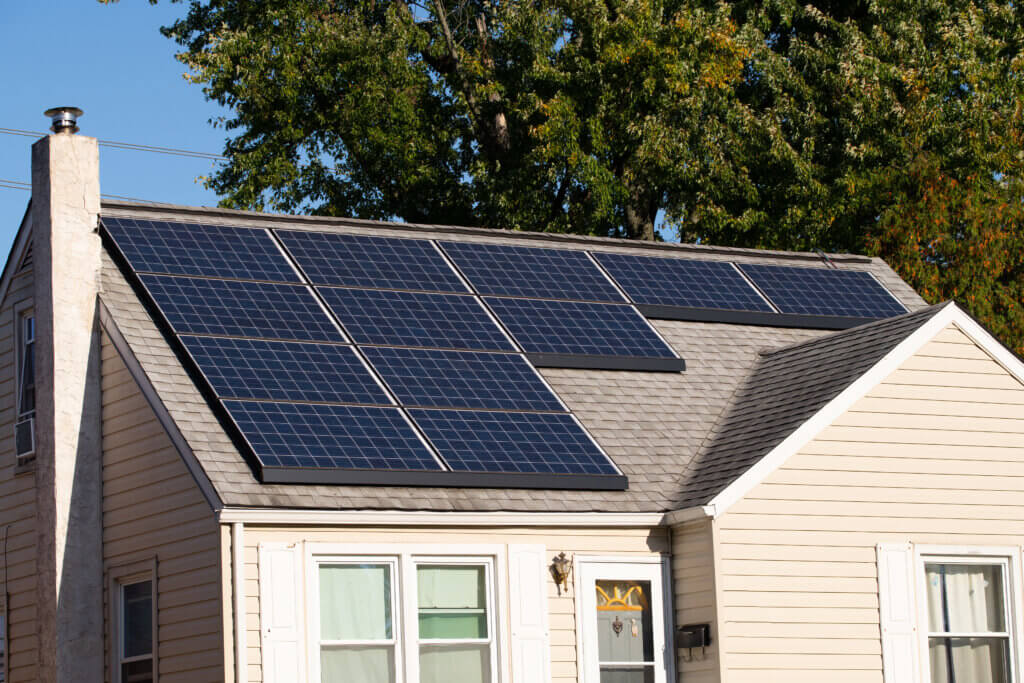
Thinking about going solar? You’re not alone. More homeowners in Pennsylvania are making the switch to solar energy to cut electric bills, reduce their carbon footprint, and boost their home’s value. But before those sleek panels go up, there’s one crucial question you might not have considered: what’s the best roof material to put solar panel on?
It turns out, not all roofs are created equal when it comes to solar readiness. Some materials make installation a breeze—and keep your panels secure for the long haul. Others? Not so much. If you’re looking to invest in solar, it’s worth taking a closer look at your current roof or your plans for a new one.
Why Roof Material Matters for Solar Panels
When it comes to installing solar panels, most homeowners focus on sun exposure and system size—but your roof’s material plays just as big a role in the long-term success of your investment. Think of it this way: your panels are only as strong and efficient as what they’re mounted on.
The best roof material to put solar panel on offers a solid surface, easy installation compatibility, and long-term durability. It also helps reduce labor costs and makes it easier for technicians to securely fasten panel mounts without damaging your roof. On the flip side, choosing the wrong material could lead to higher installation costs, frequent maintenance, or worse—roof damage down the line.
So before you say “yes” to solar, it’s smart to assess what’s over your head.
Best Roof Material to Put Solar Panel On
Let’s take a look at the roofing materials that make solar panel installation simple, secure, and sustainable.
1. Asphalt Shingles
By far the most common roofing material in the U.S., asphalt shingles are also one of the easiest surfaces for solar panel installation. Why? Because they’re relatively lightweight, durable, and compatible with standard mounting systems.
Installers can usually attach racking systems directly through the shingles into the rafters, using flashing to prevent leaks. It’s affordable, fast, and works well with the average home’s roof pitch and structure. No wonder asphalt is often the best roof material to put solar panel on for cost-conscious homeowners.
Pro tip: If your shingles are more than 10–15 years old, consider replacing them before installing solar. Panels last 25+ years, and you don’t want to uninstall them just to redo the roof halfway through.
2. Standing Seam Metal Roofs
Metal roofing is known for its long lifespan (40–70 years) and energy efficiency. If you’ve got a standing seam metal roof, even better—it may be the best roof material to put solar panel on when it comes to no-fuss installation.
Why? Because panel mounts can be attached directly to the seams using clamps, which means no drilling into your roof. That reduces the chance of leaks and speeds up the process. Plus, many metal roofs are already eco-friendly and solar-reflective, making them a perfect partner for renewable energy.
3. Tile Roofs (Clay or Concrete)
Tile roofs are durable and attractive, especially in warmer climates. But they come with a catch: they’re more fragile and labor-intensive when it comes to solar panel installation. Tiles often need to be removed or replaced with mounting brackets, which takes more time and care.
Still, with the right installer and planning, tile can still be a good option. Just know that it’s typically more expensive and complex than installing on asphalt or metal.
If you’re set on tile, talk to your roofer about coordinating with your solar contractor to avoid unnecessary damage or rework.
4. Flat Roofs with Membrane Systems (EPDM, TPO, PVC)
Flat or low-slope roofs aren’t just for commercial buildings anymore. Plenty of homes have flat sections that can support solar panels—especially when paired with a durable, modern membrane like TPO or EPDM.
While these aren’t traditional sloped materials, they can still be one of the best roof material to put solar panel on when paired with a ballast-mount system or tilted racking. Flat roofs often give installers more layout flexibility, too.
Just keep in mind: you’ll need an expert who knows how to avoid puncturing the membrane and properly manage drainage and panel angle.
Roof Materials That Are Less Ideal for Solar Panels
While many roofs are great candidates for solar, some materials can complicate the process—or cost you more in the long run.
1. Wood Shakes or Shingles
While beautiful and traditional, wood shakes are not the best roof material to put solar panel on. Why? For starters, they’re more fragile than asphalt or metal, and they’re highly flammable—two things that don’t mix well with the electrical components involved in a solar system.
Installers often need to modify or work around the wood, which increases labor time and risk. Most solar companies actually avoid installing on wood roofs altogether, unless a structural upgrade is done first.
2. Slate
Slate roofs are stunning—and also notoriously difficult to work with. Slate tiles are brittle and can crack under pressure, making it tricky to mount solar racking without damage.
While it’s not impossible to install panels on slate, it’s a specialized job. If you’re serious about solar and have a slate roof, expect to pay more and work with a highly experienced contractor.
3. Older or Damaged Roofing Materials
Regardless of material, if your roof is near the end of its lifespan, it’s best to address that first. Installing solar panels on a roof that’s already compromised is like putting new tires on a car with a failing engine—it’s just not a smart investment.
One of the most important steps in finding the best roof material to put solar panel on is making sure it’s in good condition. A roof inspection from a qualified contractor can help you decide whether to repair, replace, or proceed.
What Else Makes a Roof Solar-Ready?
Beyond the material itself, there are a few other things that impact how solar-friendly your roof is:
- Orientation and pitch: South-facing roofs with a moderate slope tend to produce the most energy.
- Shading: Nearby trees or structures can reduce your system’s performance. Trimming or adjusting layout might help.
- Space and layout: The more open, unobstructed roof space you have, the more panels you can fit.
Even if your roof material checks out, a quick inspection from a pro can tell you whether it’s ready for panels—or if a few upgrades are needed first. And that’s where JL Roofing & Siding can help.
Ready to Go Solar? Let’s Talk About Your Roof First.
Before you sign off on a solar installation, take a moment to make sure your roof is up to the task. The best roof material to put solar panel on is one that’s strong, secure, and installed by a team who knows how to get it done right.
At JL Roofing & Siding, we’ve helped homeowners all across Pennsylvania get their roofs solar-ready—whether that means a full replacement, a few repairs, or just expert advice. We work with asphalt shingles, metal roofing, and other solar-friendly options to make sure your investment is protected from the top down.
Thinking about upgrading your roof before going solar? Let’s make sure it’s the right fit—durable, long-lasting, and built to support clean energy for decades.
Contact JL Roofing & Siding today to schedule your roof inspection or get a free estimate. Whether you’re planning ahead or ready to install, we’re here to help you make the smart choice—simple and stress-free.