
As the vibrant colors of autumn foliage start to appear and the air turns crisp, it’s a clear sign that fall has arrived. While many associate this season with pumpkin spice and cozy sweaters, it’s also the ideal time to turn your attention to a critical aspect of homeownership – your roof. In this guide, we’ll delve into why fall is best for roof inspection and how to prepare your roof for the challenges that lie ahead in the colder months.
Why Fall is Best for Roof Inspection?
Fall typically brings milder weather conditions compared to the scorching heat of summer or the harsh cold of winter. This makes it an ideal time for roof inspections. Roofing professionals can work comfortably without extreme temperature concerns. Inspecting a roof in sweltering heat or frigid winter conditions can be uncomfortable and may affect the accuracy of the assessment.
Additionally, mild fall weather allows roofing professionals like JL Roofing and Siding to spend ample time on your roof, thoroughly examining every aspect without rushing due to uncomfortable conditions. They can pinpoint issues that might go unnoticed during a rushed inspection. Here are some other reasons why fall is best for roof inspection:
- Preventing Winter Damage: Identifying and addressing roofing issues in the fall is essential to prevent them from worsening during the winter. Leaks and insulation problems can become more severe in freezing temperatures, leading to costly repairs.
- Preparing for Heavy Snowfall: If you live in an area prone to heavy snowfall like Pennsylvania and New Jersey, a well-maintained roof is crucial. A fall inspection can identify weak spots and structural issues that might not withstand the weight of accumulated snow.
- Extending Roof Lifespan: Regular fall inspections and maintenance can extend the lifespan of your roof. Identifying and fixing minor issues early can prevent the need for a full roof replacement down the line.
- Insurance Benefits: Some insurance companies offer discounts or incentives for homeowners who conduct regular roof inspections and maintenance. By doing so in the fall, you may be eligible for potential savings on your policy.
How Do I Prepare My Roof for Fall?
Clear Those Gutters: As leaves begin to fall, they can accumulate in your gutters, potentially causing blockages. This can lead to water buildup, ice dams, and even roof damage. Take the time to clear your gutters and downspouts to ensure proper drainage.
Trim Overhanging Branches: Overhanging tree branches can pose a risk to your roof during fall storms. Strong winds or heavy snow can cause these branches to break and damage your roof. Trim back any branches that hang over your home.
Inspect for Damaged Shingles: Carefully examine your roof’s shingles for any signs of damage, such as cracks, curling, or missing pieces. Damaged shingles can lead to leaks and insulation problems during the winter. Replace or repair them promptly.
Check Flashing and Seals: The flashing around roof penetrations like chimneys and vents should be in good condition. Inspect for any gaps or deterioration in the seals. Properly sealed flashing is crucial to prevent water from seeping into your home.
Examine Attic Insulation: Adequate attic insulation can help regulate indoor temperatures and prevent ice dams. Ensure your attic has enough insulation and ventilation to maintain a consistent temperature on your roof’s surface.
Inspect Skylights and Chimneys: Skylights and chimneys are vulnerable points on your roof. Check the seals and flashing around these areas to ensure they are secure. Any gaps or damage can lead to leaks and energy loss. Address any issues promptly.
Look for Moss and Algae: In regions with high humidity and rainfall, moss and algae can accumulate on your roof. While they may not pose an immediate threat, they can deteriorate shingles over time. Consider a professional roof cleaning or treatment to prevent long-term damage.
Attic Ventilation: Adequate attic ventilation is crucial for maintaining your roof’s health. It helps regulate temperature and moisture levels, reducing the risk of ice dams and prolonging the life of your shingles. Ensure that your attic vents are unblocked and functioning correctly.
Check for Interior Signs: Sometimes, the first signs of a roof issue appear inside your home. Look for water stains on your ceilings or walls. These can indicate a roof leak. Address any interior issues promptly and investigate their source on the roof.
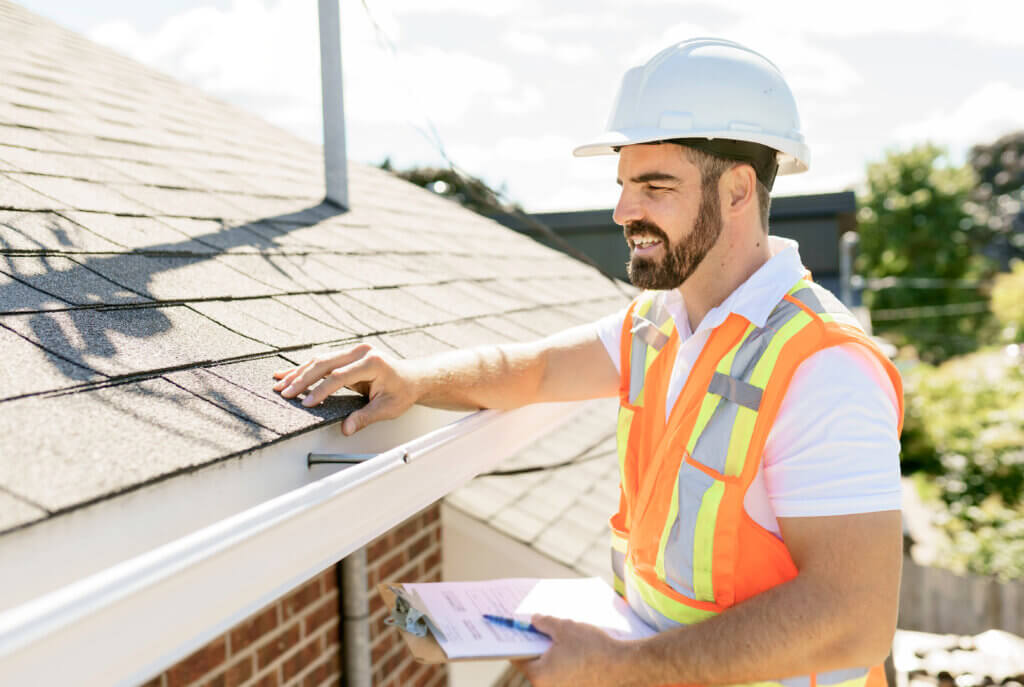
Schedule Professional Inspection: While you can perform a basic visual inspection, it’s highly recommended to schedule a professional roof inspection in the fall. Experts like the team at JL Roofing and Siding have the training and experience to identify even minor issues that might go unnoticed otherwise. We can provide a comprehensive assessment and suggest necessary repairs.
Now that you know why fall is best for roof inspection, you can take a proactive measure that can help you prepare your home for the challenges of winter. By addressing issues early and ensuring your roof is in top condition, you’ll enjoy a more comfortable and energy-efficient home during the colder months. If you’re unsure about conducting a roof inspection on your own, consider hiring a professional roofing contractor like JL Roofing and Siding to ensure a thorough assessment and necessary repairs. With JL Roofing and Siding, you’ll have peace of mind knowing that your roof is in expert hands, ready to withstand the rigors of the upcoming season.