
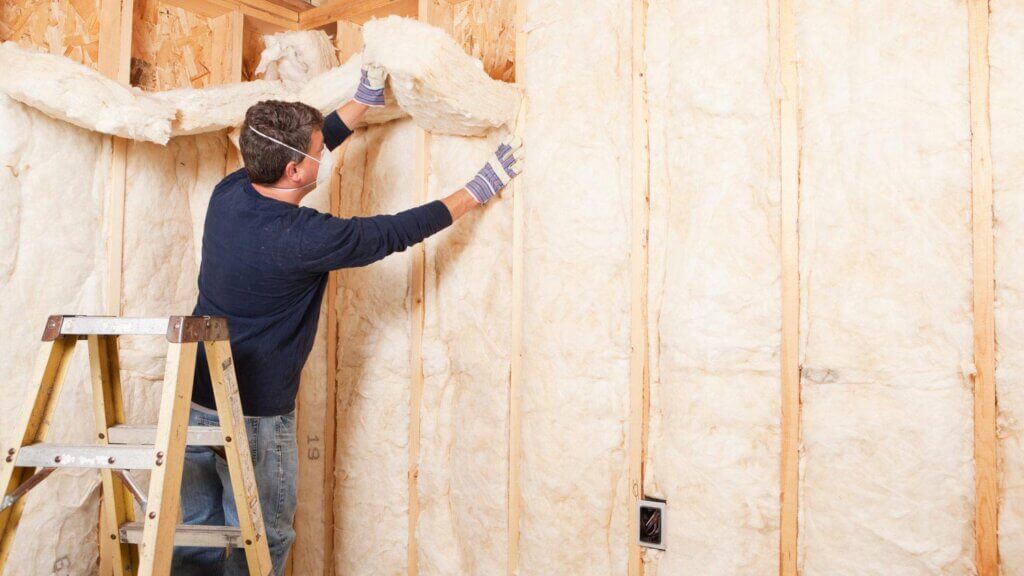
Insulation is one of the most effective ways for homeowners in southeastern Pennsylvania to mitigate energy costs and assure that the home’s environment is comfortable year-round. However, not all home insulation jobs are equally effective. Different types of insulation have best practices associated with their use, and certain areas of the home require special attention in order for insulation to do its job.
A professional installation job is more likely to cover these bases, but it’s important for the installer and the homeowner to communicate prior to the service about what is going to take place; it’s during these conversations that knowledge about insulation becomes useful for any homeowner to avoid potential problems.
In this article, we’ll take a look at the five most common errors that can be made when installing home insulation, and give tips for a smooth installation process.
- Trust the experts: A lot of information about insulation circulates online. While it is true that many home renovation jobs can be do-it-yourself initiatives, working with insulation experts is your best bet to assure that the job is completed correctly. Different insulation materials can be dangerous to handle without the proper training. Don’t risk accidents that could harm yourself and your home – rely on experienced home renovators for your insulation needs.
- Avoid gaps: Having too many gaps in your insulation job will allow moisture and leaks to affect your home’s structural integrity. Frequent gaps also decrease the usefulness of the insulation job in your home. Caulk should be used for smaller gaps, while foam can be used for larger ones.
- Unnecessary removal: It may seem surprising that removing old insulation could cause more harm than good in an insulation job. Unless the old insulation is hazardous (i.e., contains mold), removing old insulation takes up more time than it is worth and creates an unnecessary mess. Adding an extra layer of insulation won’t hurt in many cases; consult a trusted insulation professional about their methods in deciding whether or not to remove old insulation.
- Electric hazards: It’s absolutely vital that at least four inches of clearance is given around light fixtures and ventilation to avoid fire hazards.
- Appropriate materials: Certain insulation materials should be used only in specific areas of the home. For example, fiberglass insulation should not be installed in basements where moisture will collect into the material’s tiny air pockets, causing a host of issues; closed cell foam insulation is best for basement jobs.
As always, consulting the experts with any questions you may have regarding your home’s insulation job is the best way to assure that you remain informed, safe, and on target with your insulation goals.
Ready to begin an installation? Looking for reliable home renovation options? J L Roofing and Siding serves homeowners in southeastern PA with confidence in our abilities to enhance each home we come in contact with. To learn more about our services or to receive an estimate, contact us today.